



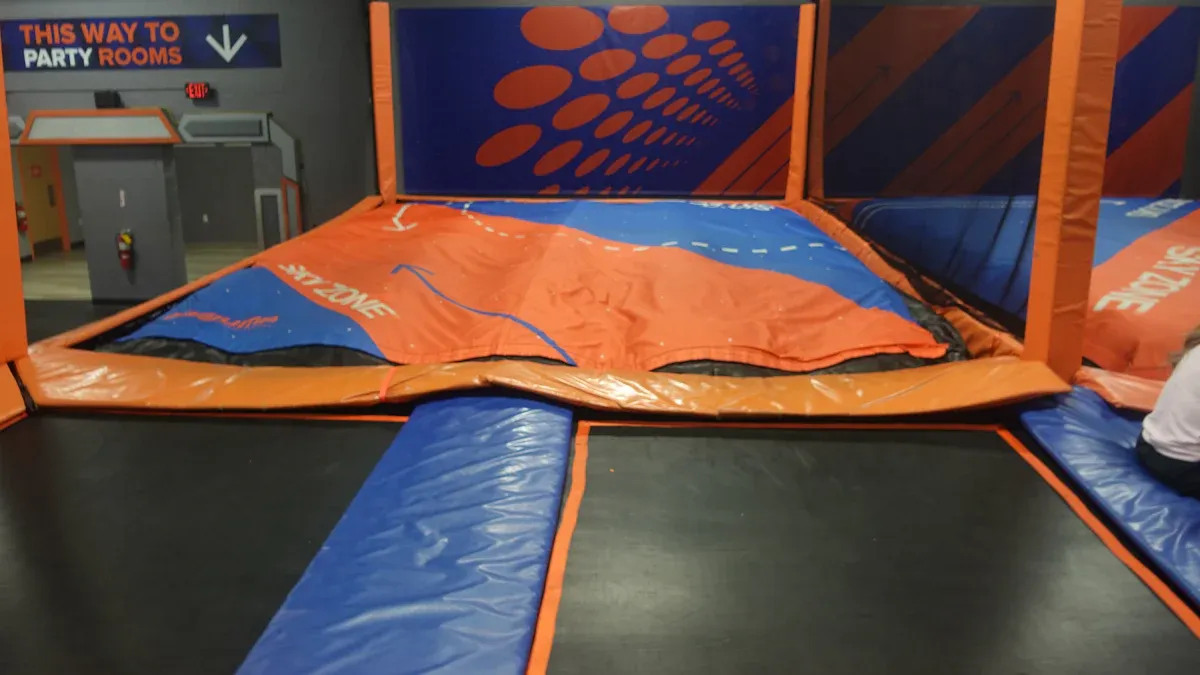
The cost to build a trampoline park in the U.S. usually falls between $100,000 and $500,000. 🏗️ I found that prices can shift based on location, building size, equipment choices, and attractions. Here are a few things that can change your budget:
-
Equipment and layout design
-
Insurance and staffing
-
Number of attractions
When I started looking for reliable suppliers, Play Time Playground stood out. Their team has over 20 years of experience and offers certified indoor playground equipment. They help new owners with design, safety standards, and business support, making them a great choice for anyone wondering how much does it cost to build a trampoline park.
How much does it cost to build a trampoline park
Typical Investment Range
The average investment to build a trampoline park in the U.S. is between $500,000 and $3 million. 💸
When I first asked myself how much does it cost to build a trampoline park, I realized the answer depends on where you want to open, how big you want to go, and what kind of experience you want to offer. In some regions, costs lean toward the lower end, especially if you find a good deal on real estate or choose a smaller footprint. In bigger cities or high-traffic areas, prices can climb quickly. I noticed that the largest chunk of my budget went to securing a space that was at least 25,000 to 40,000 square feet. That’s a lot of room for jumping, running, and having fun!
Here’s a quick look at what you might expect across different regions:
-
In smaller towns, you might spend closer to $500,000.
-
In major metro areas, costs can reach $3 million or more.
-
The size of your park and the attractions you choose will push your budget up or down.
If you’re wondering how much does it cost to build a trampoline park with all the bells and whistles, plan for the higher end of the range. If you want something simple, you can start smaller and grow over time.
Main Cost Factors
The biggest expenses come from real estate, equipment, and staffing. 🏢🤸♂️👷
When I broke down how much does it cost to build a trampoline park, I found several key areas that eat up most of the budget. Let me show you the main cost factors in a table for easy reference:
|
Cost Factor |
Description |
|---|---|
|
Real Estate |
Costs depend on whether you are constructing a new facility, renting, or revitalizing an old one. |
|
Equipment Costs |
Trampoline equipment costs range from 320,000 EUR to 690,000 EUR based on size and quality. |
|
Audio and Visual Equipment Costs |
Comprehensive setups can cost between 50,000 and 100,000 EUR. |
|
Office Equipment and Furniture Costs |
Average costs range from 20,000 to 30,000 EUR. |
|
Promotion Costs |
Initial marketing budget can vary from 5,000 to 10,000 EUR. |
|
Liability Insurance Costs |
Essential to consider before opening a trampoline park. |
I learned that the location is the biggest decision. If you choose a spot in a busy area, you’ll pay more, but you might attract more customers. Equipment costs also add up fast, especially if you want high-quality trampolines and safety features. Don’t forget about technology, insurance, and hiring a great team.
💡 Tip: Franchising can lower your risk and give you a proven business model. Franchise parks often cost more upfront, but they come with brand recognition and support. Independent parks might save money at first, but they face more trial and error. I found that about 45% of independent parks fail in five years, while only 5% of franchises with investments over $25,000 fail in the same time.
If you want to know how much does it cost to build a trampoline park that stands out, focus on quality equipment, a great location, and strong marketing. These factors will shape your budget and your success.
Detailed Overview of Trampoline Park Cost
Franchise and Real Estate
Franchise and real estate costs make up the foundation of your investment. 🏢
When I researched how much does it cost to build a trampoline park, I found that franchise fees and real estate expenses can vary a lot. Here’s a table that breaks down the main costs:
|
Cost Item |
Amount Range |
|---|---|
|
Initial Franchise Fee |
$50,000 – $75,000 |
|
Training Fee |
$10,000 |
|
Real Estate Leasing |
$50,000 – $80,000 |
|
Architectural Fees and Permits |
$60,000 – $75,000 |
|
Leasehold Improvements |
$600,000 – $1,500,000 |
|
Minimum Liquid Capital Requirement |
$500,000 – $600,000 |
I noticed that location matters most. Busy areas cost more, but they attract more visitors. Franchise parks also charge royalty and advertising fees, usually a percentage of your monthly sales.
Construction and Furnishings
Construction and furnishings drive up your budget quickly. 🛠️
I learned that building out the space and adding trampoline modules, play areas, and changing rooms can get expensive. Here’s what you need to consider:
-
Design, production, and installation of trampolines
-
Ancillary facilities like restaurants and play zones
-
Flooring, lighting, and food concessions
The bigger the park, the higher the costs. I found that investing in quality furnishings helps create a better experience for guests.
Fees, Licenses, and Insurance
Permits, licenses, and insurance are essential for legal operation. 📋
I had to budget for liability insurance, which usually costs $5,000–$10,000 per year. You’ll also need business licenses, health and safety permits, and zoning approvals. These costs change depending on your city and state.
Pre-Opening and Working Capital
Pre-opening expenses and working capital keep your business running smoothly. 💰
Before opening, I set aside funds for rent, security deposits, inventory, marketing, and staff training. Most parks need $200,000–$300,000 in working capital. This covers operational expenses until the park starts making money.
📝 Tip: Planning for these costs early helps avoid surprises and keeps your trampoline park project on track.
Startup Costs
Location and Lease
You need to budget for location and lease first. 🏢
I found that the biggest startup cost comes from securing a space. Lease rates change based on city, size, and building condition. I looked for a spot with high foot traffic and enough room for all attractions. If you want to know how much does it cost to build a trampoline park, start by checking local commercial real estate listings. Some landlords ask for deposits and several months’ rent upfront.
Renovation and Build-Out
Renovation and build-out costs depend on your vision. 🛠️
I had to renovate my space to fit trampolines, safety zones, and party rooms. Construction costs include flooring, lighting, restrooms, and painting. If you want a themed park, expect higher costs. I chose Play Time Playground for their free design renderings and professional installation. Their team helped me create a layout that matched my brand.
Equipment Costs
High-quality equipment is essential for safety and fun. 🤸
I invested in certified trampoline equipment and soft play modules. Play Time Playground offered ASTM and EN certified products, which gave me peace of mind. Here are some important safety standards for trampoline parks:
|
Standard |
Description |
|---|---|
|
ASTM F2970-22 |
Design, manufacture, installation, and operation of trampoline courts |
|
ASTM F770-24 |
Ownership, operation, maintenance, and inspection of amusement rides |
|
EN 913 |
European standard for gymnastics equipment |
|
EN 1176-1 |
European standard for playground equipment safety |
I liked that Play Time Playground provided customization options, so I could choose colors and themes that fit my vision.
Permits and Licenses
Permits and licenses keep your business legal. 📋
I applied for business licenses, health permits, and fire safety approvals. Each city has different rules. I checked with local authorities to avoid delays. Some permits take weeks to process, so I started early.
Insurance
Insurance protects your investment and customers. 🛡️
I bought several types of insurance before opening. Here’s a quick look at what I needed:
|
Insurance Type |
Description |
|---|---|
|
General Liability Insurance |
Covers injuries and property damage |
|
Product Liability Insurance |
Protects against equipment failures |
|
Property Insurance |
Covers damage to the building and equipment |
|
Business Interruption |
Pays for lost income during closures |
I spoke with my insurance agent to find the best coverage for my park.
📝 Tip: Choosing certified equipment and proper insurance helps you avoid costly mistakes and keeps your park safe.
Ongoing Expenses
Staffing
Staffing is one of the biggest ongoing costs for a trampoline park. 👷
I need a team to run the front desk, supervise jumpers, clean the facility, and host parties. I usually hire managers, safety monitors, party hosts, and cleaning staff. Wages depend on location and experience. I budget for payroll taxes and benefits, too. If I want to keep my park safe and welcoming, I invest in training and keep enough staff on hand during busy weekends.
|
Role |
Typical Monthly Cost |
|---|---|
|
Manager |
$3,500 – $5,000 |
|
Safety Monitor |
$2,000 – $3,000 |
|
Party Host |
$1,500 – $2,500 |
|
Cleaning Staff |
$1,200 – $2,000 |
Utilities and Maintenance
Utilities and maintenance can cost between $5,500 and $15,000 per month. 💡🔧
I pay for electricity, water, heating, and cooling. Utility bills usually range from $2,500 to $7,000 each month, depending on the season and how many guests visit. Maintenance and repairs add another $4,000 to $8,000 monthly. I schedule regular inspections to keep trampolines and play equipment safe. If I spot a problem early, I save money and avoid downtime.
-
Electricity, water, heating: $2,500–$7,000/month
-
Maintenance and repairs: $4,000–$8,000/month
🛠️ Tip: Regular maintenance keeps equipment safe and helps me avoid expensive repairs later.
Marketing
Marketing keeps my trampoline park busy all year. 📢
I spend money on social media ads, local flyers, and special events. I also run promotions for birthdays and group bookings. My monthly marketing budget usually falls between $2,000 and $5,000. If I want to attract new customers, I update my website and post photos of happy jumpers. I track which ads work best and adjust my strategy to get the most value.
Supplies
Supplies include everything from cleaning products to concession stand snacks. 🧃🧹
I stock up on paper goods, first aid kits, and safety gear. I also buy food and drinks for the snack bar. Supplies cost about $1,000 to $3,000 each month. If I run out of something, I order more right away. Keeping my park clean and well-stocked helps me create a great experience for every guest.
Hidden and Unexpected Costs
Construction Delays
Construction delays can quickly drain your budget and push back your opening date. 🏗️
I learned that when construction stops, bills keep coming. Overhead costs pile up, and I have to wait longer to welcome guests. Here’s what I noticed during my own build:
-
I paid rent and utilities even when work paused.
-
My future revenue got delayed, which made cash flow tight.
-
Some clients lost trust, so I missed out on early referrals.
Tip: I always set aside extra funds for unexpected delays. It helps me stay calm and keep the project moving.
Safety Upgrades
Safety upgrades often cost more than I expect, but they’re essential. 🛡️
I found that regular safety inspections and compliance fees add up fast. Sometimes, I had to redesign parts of my park to meet new standards. Here’s a table showing common hidden costs:
|
Cost Type |
Description |
|---|---|
|
Compliance Costs |
Fees for business registration and safety inspections |
|
Safety Inspections |
Regular checks to meet safety standards |
|
Renovation and Design |
Extra costs for safety installations and redesigns |
|
Insurance Fees |
Comprehensive coverage for accidents and events |
|
Licensing Fees |
Hidden fees for park licensing |
|
Contingency Funds |
Money for unexpected repairs |
Note: I always choose certified equipment from trusted suppliers like Play Time Playground. It helps me avoid costly upgrades later.
Seasonal Fluctuations
Seasonal downturns can hurt my profits, especially during slow months. 🌧️
I noticed that fewer guests visit in summer or during school breaks. I plan ahead by saving extra cash during busy seasons. This way, I cover expenses when revenue drops.
-
I run special promotions to attract customers during slow periods.
-
I adjust staffing to match demand and save on payroll.
Franchise Fees
Franchise fees are higher than independent startup costs, but they come with support and brand power. 💼
When I compared options, I saw big differences in fees and total investment. Here’s a quick look:
|
Franchise |
Franchise Fee |
Total Investment Range |
|---|---|---|
|
Urban Air |
$100,000 |
$3,707,592 – $8,192,274 |
|
Altitude |
$50,000 |
$1,625,000 – $2,957,500 |
-
Franchise parks cost more upfront, but I get proven systems and marketing help.
-
Independent parks save money at first, but I miss out on brand recognition and support.
Tip: I weigh the benefits of franchise support against the higher fees before making my decision.
Profitability and ROI
Revenue Streams
You can earn money from several sources in a trampoline park. 💵
When I opened my park, I quickly saw that ticket sales made up most of my income. I also found other ways to boost my revenue. Here are the main streams:
-
General admission tickets: Most guests pay for jump time.
-
Birthday parties and group events: These bookings bring in big groups and higher profits.
-
Food and beverage sales: Snacks and drinks add up fast.
-
Merchandise: T-shirts, socks, and souvenirs sell well.
-
Special attractions: Ninja courses, climbing walls, and arcade games offer extra fun for a fee.
🎉 Tip: I always promote party packages and special events to fill my calendar.
Profit Margins
Typical profit margins for trampoline parks range from 20% to 35%. 📈
I keep my margins healthy by controlling costs and offering premium experiences. Here’s a quick look at how my expenses and profits break down:
|
Revenue Source |
% of Total Revenue |
Typical Margin |
|---|---|---|
|
Admissions |
60% |
30% |
|
Parties/Events |
20% |
40% |
|
Food & Beverage |
10% |
50% |
|
Merchandise/Other |
10% |
25% |
I noticed that parties and food sales often have the highest margins. I focus on these areas to grow my profits.
Break-Even Point
Most trampoline parks reach break-even in 12 to 24 months. ⏳
I planned my budget so I could cover all costs until my park became profitable. The break-even point depends on location, size, and how well I market my business. I track my monthly revenue and expenses to see when I start making a profit.
📊 Note: Careful planning and strong marketing help me reach break-even faster and keep my business growing.
Budgeting and Cost Control
Creating a Budget
Start with a clear, detailed budget. 📝
When I planned my trampoline park, I listed every expense I could think of. I broke costs into categories like rent, equipment, staffing, and marketing. I used a simple table to track my spending:
|
Expense Category |
Estimated Cost |
|---|---|
|
Rent/Lease |
$80,000/year |
|
$400,000 |
|
|
Staffing |
$120,000/year |
|
Marketing |
$30,000/year |
|
Insurance |
$10,000/year |
I updated my budget every month. This helped me spot problems early and adjust my plans.
Reducing Costs
Cut costs without sacrificing quality. 💡
I found several ways to save money while building my park:
-
I negotiated with suppliers for better prices.
-
I chose energy-efficient lighting to lower utility bills.
-
I hired part-time staff during slow seasons.
-
I used social media for free marketing.
I always focused on safety and customer experience. Cheap equipment can lead to expensive repairs later.
Avoiding Pitfalls
Watch out for common budgeting mistakes. ⚠️
I learned to avoid these pitfalls:
-
Underestimating renovation costs
-
Forgetting about insurance and permits
-
Ignoring seasonal dips in revenue
-
Not setting aside emergency funds
Tip: I always keep a contingency fund for surprises. This keeps my business safe when things don’t go as planned.
I review my budget often. Staying flexible helps me control costs and keep my trampoline park profitable.
How much can you charge customers?
You can usually charge $12 to $25 per person for general admission. 🎟️
When I set my prices, I looked at what other trampoline parks charged in my area. Most parks offer hourly jump sessions. I noticed that weekends and holidays cost more. Special attractions or longer sessions also raise the price.
Here’s a quick table showing typical pricing:
|
Ticket Type |
Price Range |
Notes |
|---|---|---|
|
1-Hour Admission |
$12 – $18 |
Most popular option |
|
2-Hour Admission |
$20 – $25 |
Better value for families |
|
All-Day Pass |
$30 – $40 |
Includes unlimited jumping |
|
Toddler Time |
$8 – $12 |
For kids under 5 |
|
Group Rates |
$10 – $15/person |
Usually for 10+ guests |
Birthday party packages often cost $200 to $400 per group. 🎉
I love hosting parties at my park. Most packages include jump time, a party room, food, and a host. I offer upgrades like pizza, themed decorations, or extra attractions. These add-ons help me boost revenue.
Extra attractions can cost $3 to $10 each. 🧗♂️
If guests want to try the ninja course, climbing wall, or arcade games, I charge a small fee. This keeps my base price affordable and lets customers choose their own adventure.
💡 Tip: I always check what local competitors charge. I adjust my prices for busy seasons and offer discounts during slow months.
I recommend offering bundle deals and memberships. 🏆
Many families visit often. I sell monthly passes or punch cards for regular jumpers. These deals encourage repeat visits and help me build a loyal customer base.
In summary:
I set my prices based on local demand, park size, and attractions. I keep my pricing simple and offer options for every budget. This helps me attract more guests and grow my business.
How Much Profit Can You Extract from an Indoor Trampoline Park?
You can expect annual profits between $100,000 and $600,000 from a well-run trampoline park. 💰
When I first opened my park, I wanted to know how much profit I could actually make. The answer depends on your location, size, and how well you manage costs. I track my revenue and expenses every month. This helps me see where my money goes and how much I keep.
Here’s a quick breakdown of typical profit factors:
|
Factor |
Impact on Profit |
|---|---|
|
Location |
High-traffic areas boost sales |
|
Park Size |
Bigger parks earn more, but cost more |
|
Attractions |
Extra features increase revenue |
|
Operational Costs |
Lower costs mean higher profit |
|
Marketing |
Strong marketing brings more guests |
Most parks see profit margins between 20% and 35%. 📈
I focus on keeping my costs low and my guest experience high. I offer party packages, memberships, and special events. These options help me earn more than just ticket sales.
Here’s what I do to maximize profit:
-
I run birthday parties and group events.
-
I sell snacks, drinks, and branded merchandise.
-
I add new attractions like ninja courses or climbing walls.
-
I offer memberships for repeat visitors.
📝 Tip: I always review my expenses and look for ways to save. Small changes add up over time.
In summary:
If you manage your trampoline park well, you can extract solid profits. I keep my business flexible and listen to customer feedback. This helps me grow my revenue and enjoy long-term success.
Design your Trampoline Park perfectly with Playtime playground
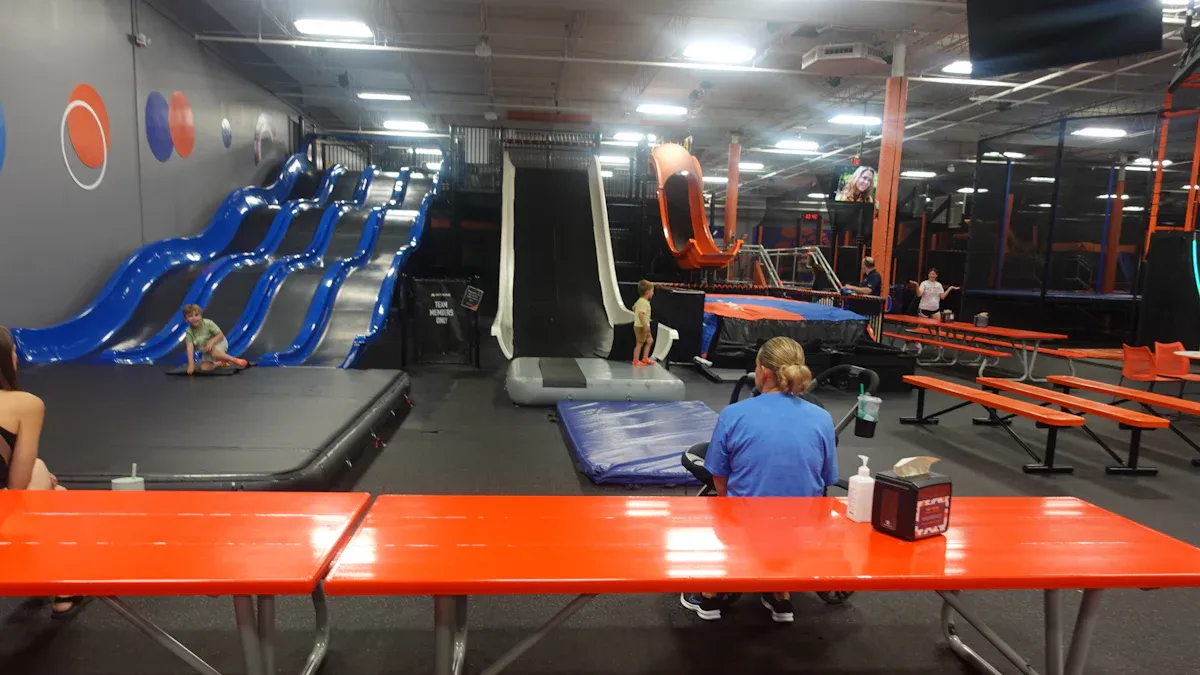
Want a trampoline park that stands out? I always choose Play Time Playground for my projects. Their team makes the design process easy and fun. Here’s how I get the perfect park every time:
1. Start with a free custom design.
Play Time Playground offers free design renderings. I send them my ideas, and they turn my vision into a 3D plan. I can see how every trampoline, slide, and play area fits together before I spend a dime. 🖼️
2. Pick from endless themes and options.
I love their huge selection of themes—ocean, forest, candy, and more. I can mix and match colors, add arcade machines, or create a ninja course. Their customization options help me build a park that matches my brand and excites my guests. 🎨
3. Trust in safety and quality.
I never worry about safety. Play Time Playground uses ASTM and EN certified materials. Their equipment feels sturdy and looks great. I know kids will play safely, and parents will feel confident. 🛡️
4. Get expert support from start to finish.
Their team helps me at every step. I get advice on layout, safety, and even marketing. They handle shipping and installation, so I can focus on opening day. 🚚
Tip: I always ask for their entrepreneurship guidance. Their experience saves me time and money.
Here’s a quick table of what Play Time Playground offers:
|
Feature |
Benefit |
|---|---|
|
Free Design Rendering |
Visualize your park early |
|
Certified Equipment |
Meets top safety standards |
|
Custom Themes |
Match your brand and vision |
|
Full Installation |
Hassle-free setup |
|
Business Support |
Guidance for new owners |
Ready to design your dream trampoline park? I recommend Play Time Playground for a smooth, creative, and safe experience. Let’s build something amazing together! 🚀
Building a trampoline park costs a lot, but smart planning makes it easier. 🏗️ I focus on real estate, equipment, staffing, and ongoing expenses. I always talk to experts like Play Time Playground for custom solutions and safety advice. If you want to get started, here’s what I recommend:
-
Research your local market 📍
-
Compare equipment options 🛝
-
Ask for professional guidance 💡
A well-planned trampoline park can bring big rewards and happy customers!
FAQ
How long does it take to build a trampoline park?
Usually 6 to 12 months. 🕒
I found that the timeline depends on location, permits, and construction speed. If I plan well and choose experienced suppliers, I can open faster.
What safety standards should I follow?
ASTM and EN certifications are essential. 🛡️
I always pick equipment that meets these standards. They help me keep guests safe and avoid legal issues.
Can I customize my trampoline park design?
Yes, customization is possible. 🎨
I work with suppliers like Play Time Playground to choose themes, colors, and attractions. Custom designs help my park stand out.
What are the main ongoing expenses?
Staffing, utilities, and maintenance top the list. 💸
Here’s a quick table:
|
Expense |
Typical Monthly Cost |
|---|---|
|
Staffing |
$8,000 – $12,000 |
|
Utilities |
$5,500 – $15,000 |
|
Maintenance |
$4,000 – $8,000 |
Do I need insurance for my trampoline park?
Absolutely, insurance is required. 📝
I always get liability, property, and business interruption coverage. Insurance protects my investment and keeps my business safe.