


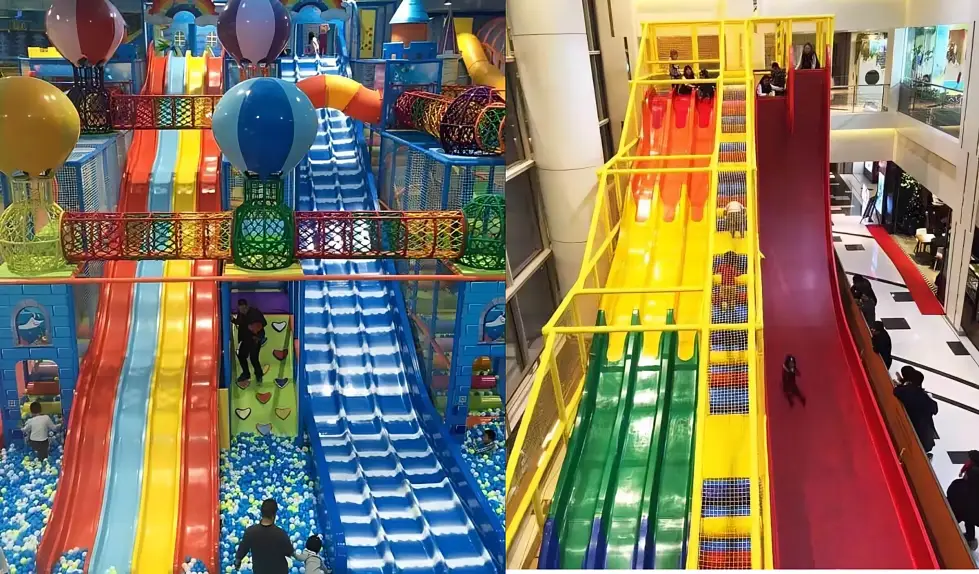
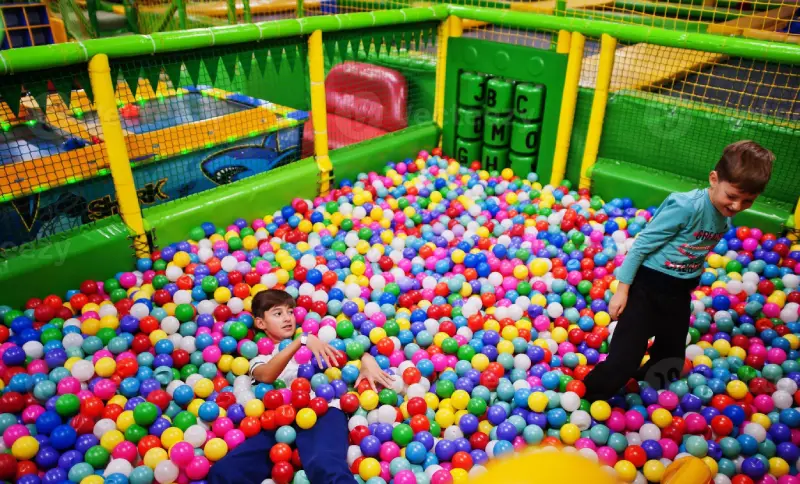
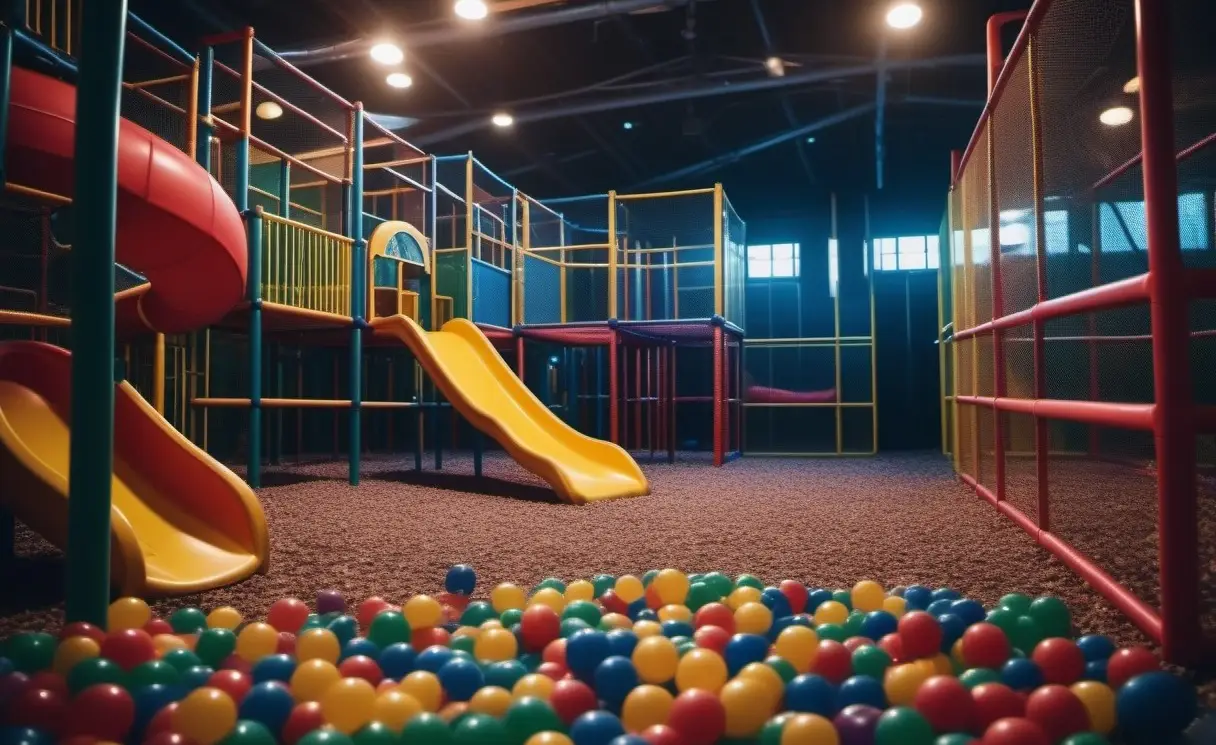
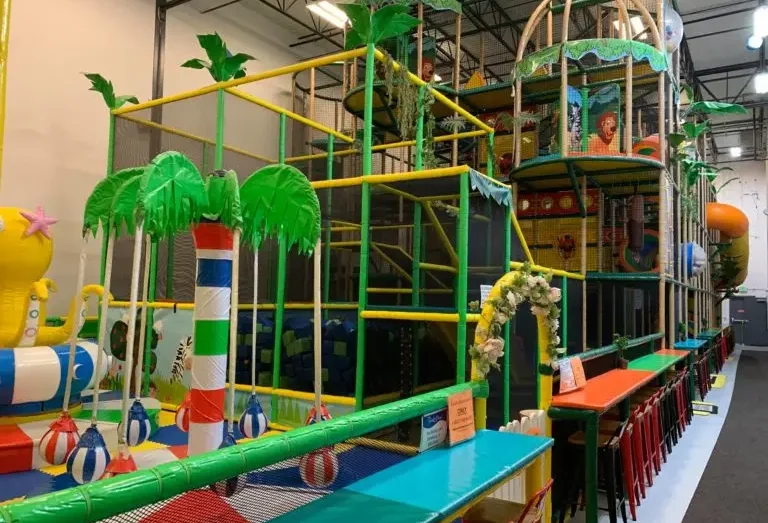
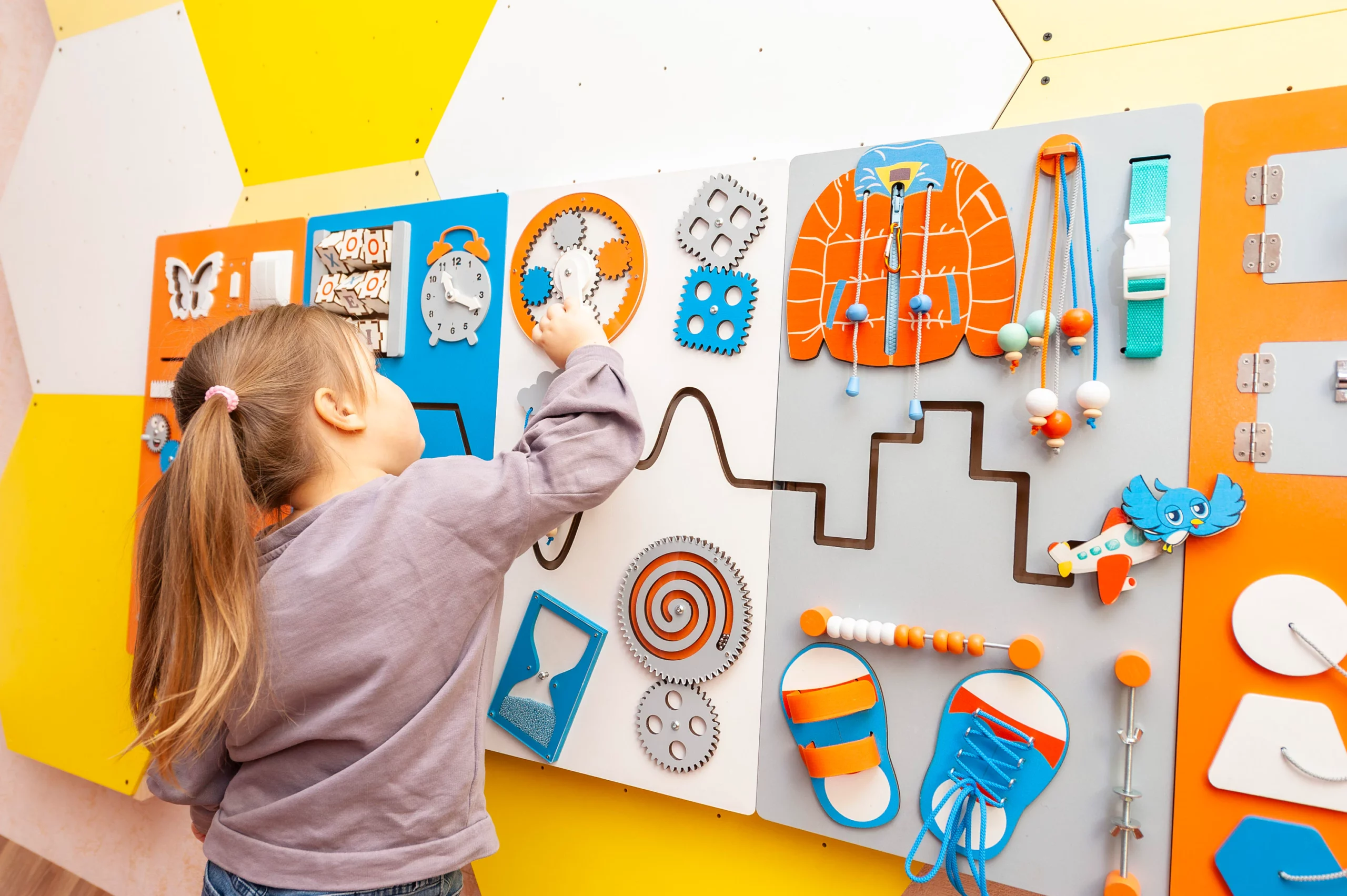
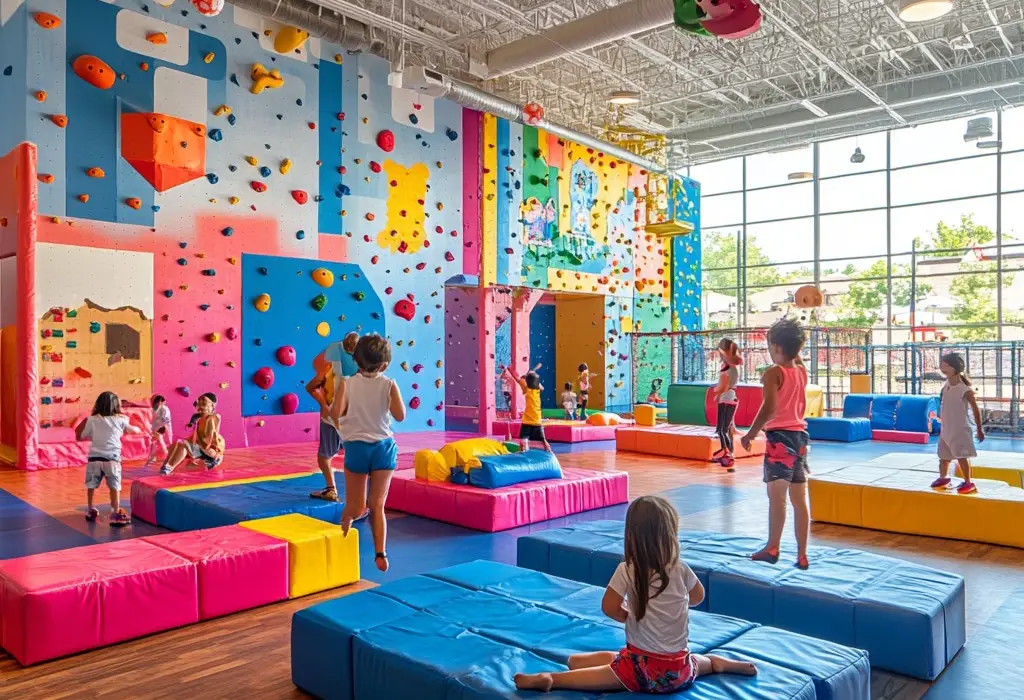
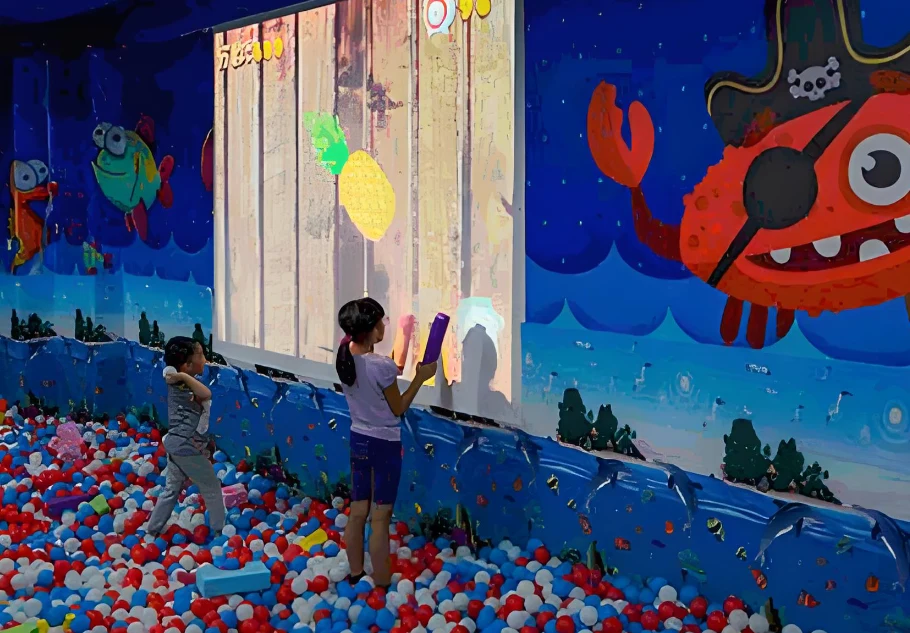
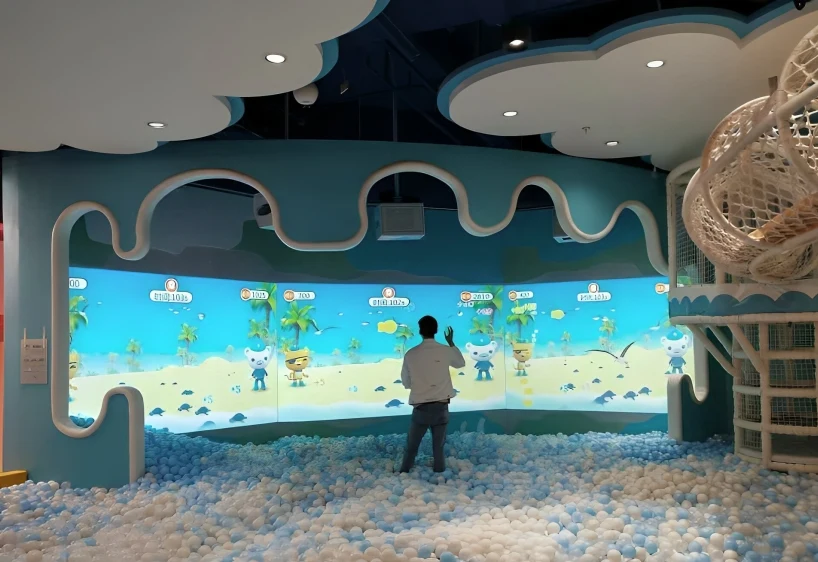

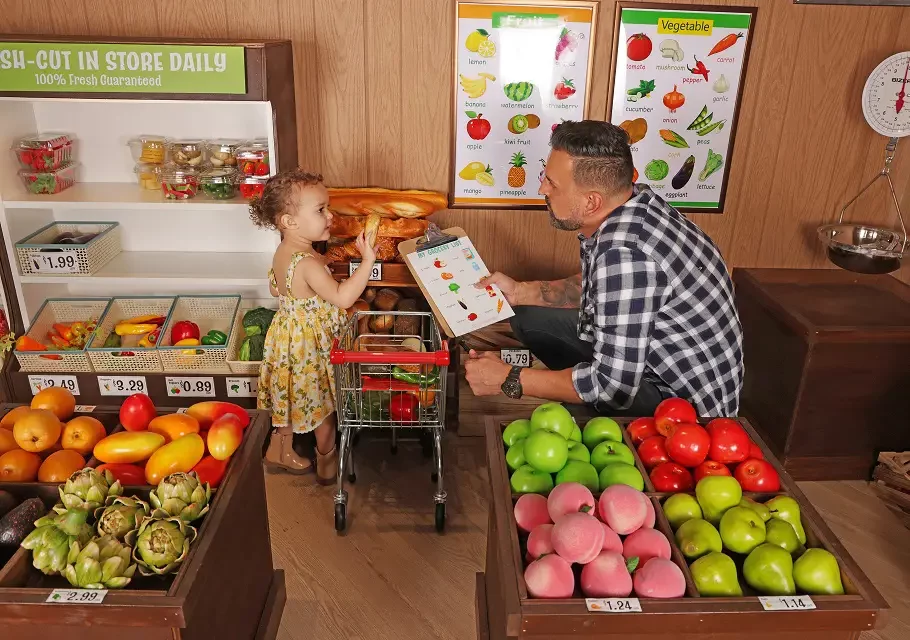
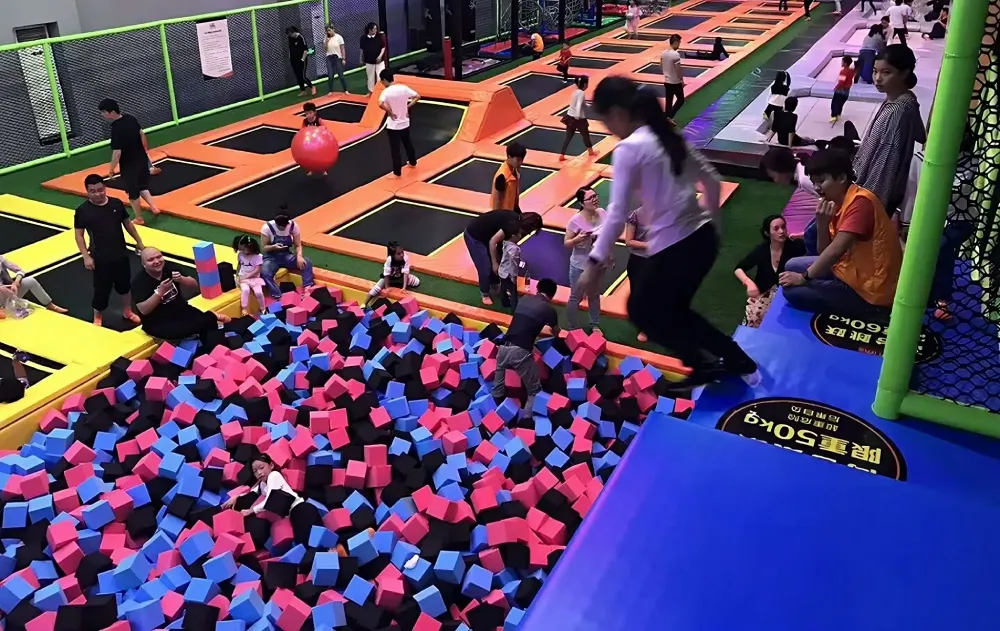
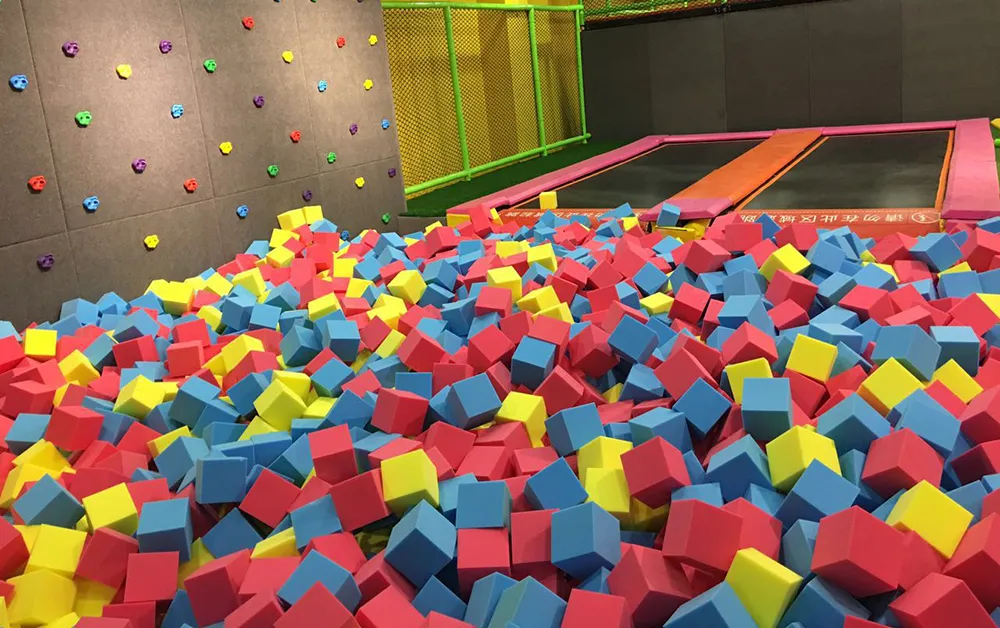
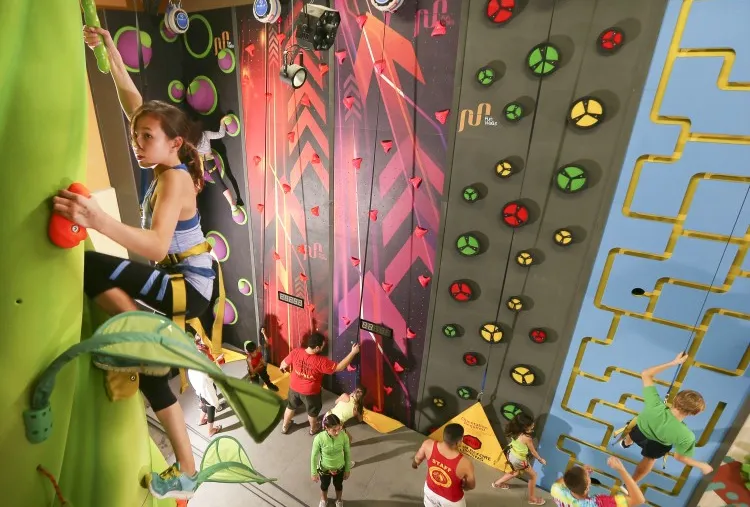

Indoor playground equipment can combine slides, climbing structures, ball-play areas, tunnels, trampolines, role-play zones and interactive games. Use this category page to compare activity types, themes and layout directions before choosing a configuration.
Share the usable floor plan, lowest clear height, entrances, columns, circulation, nearby venue functions and priority activities. If different age groups or uses share the room, mark the intended boundaries and sightlines.
The approved project documents must confirm the selected equipment, layout, dimensions, materials, age or capacity requirements, technical and electrical details, installation responsibilities, shipping scope and price. This page does not establish certification, tested safety performance, profit, fixed pricing or a complete service package.
Before starting an indoor playground business, define the target market, venue model and operating assumptions. For equipment planning, provide the actual room plan and project requirements rather than relying on general traffic or profitability claims.
Buying indoor playground equipment for the first time?
Use the first-purchase guide to organize the floor plan, clear height, activity priorities, budget direction, project location and responsibilities that need to be included in the quotation.
The guide can support planning, but it does not predict ROI or replace product and project documentation.
Custom layout work should begin with the usable floor plan, clear height, entrances, columns and fixed venue elements. Add the theme direction and must-have activities, then review how the proposal handles circulation, sightlines and separate zones.
Colour tone: Bright and lively primary colours (e.g. blues, greens, yellows) are usually used with a neutral background and coloured accents to create a vibrant and modern atmosphere.
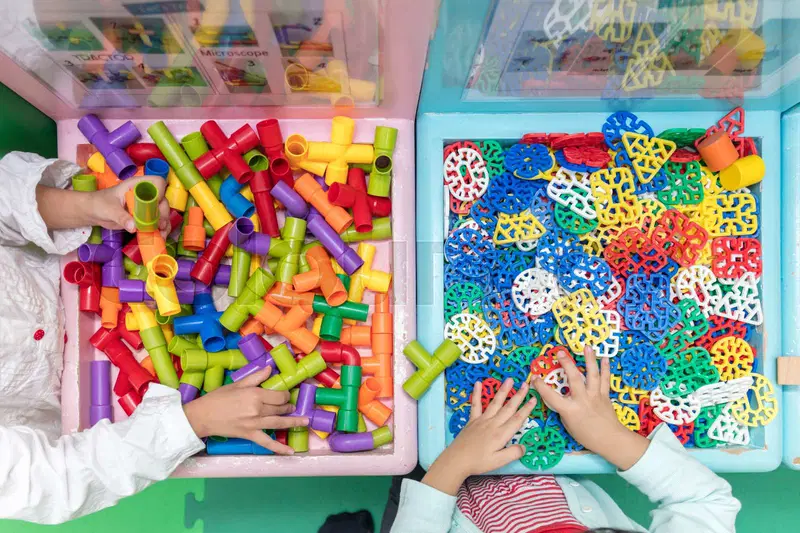
Recommend Equipment: Typically includes mini city models, transport-themed slides, building block areas and interactive game screens, blending urban elements with interactive experiences, etc.
The mini city lets children play in a busy city. With colourful streets, shops and vehicles, children can experience city life in a safe environment. They can take on the role of a traffic policeman or shopkeeper. Each area is designed with interactive urban elements, allowing children to explore the city through role-play.
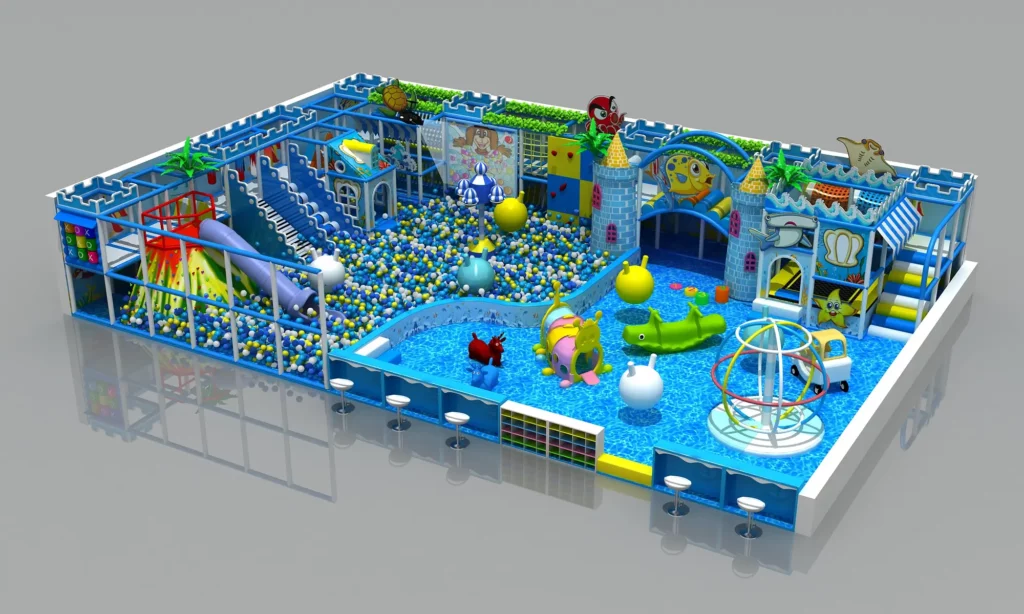
Colour tone: Scheme is usually dark blue, light blue, turquoise and sandy, with soft whites and coral pinks to create a calm and fresh marine atmosphere.
Recommend Equipment: Ocean Theme's recommended equipment for the indoor playground includes boat slides, ocean climbing nets, underwater tunnels and an interactive aquatic wall, creating an ocean world full of adventure and exploration.
Explore a captivating ocean-themed indoor playground where the mysteries of the deep sea come to life. Soft blues and greens, wave-like structures, and playful marine designs fill the space. Kids can slide down ship-shaped slides, crawl through coral tunnels, or climb ocean-inspired walls, every detail sparks imagination and invites adventure.
Colour tone: The space theme uses deep blues, vibrant yellows, and silver accents to mimic the vastness of space and planets.
Recommend Equipment: Rocket-shaped slides, space shuttles, and astronaut-themed ball pits are perfect for this theme, igniting curiosity and excitement.
A space-themed indoor playground offers children a galaxy of fun. The facility includes climbing rocket towers, cosmic slides, and interactive play areas designed to spark their imaginations. Astronaut gear, UFO play zones, and space-inspired obstacle courses provide a realistic environment for children to explore and navigate the wonders of the universe.
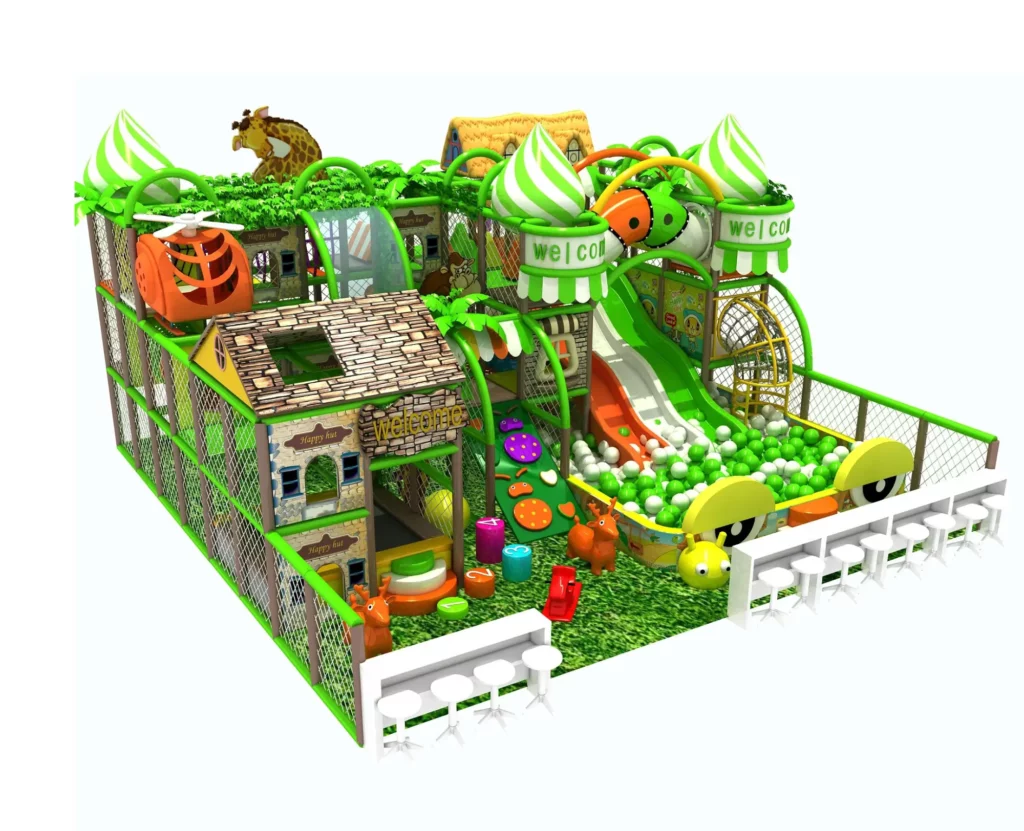
Colour tone: The combination of dark greens, olive greens and browns with bright tropical floral colours, such as reds, oranges and yellows, creates a lush and vibrant jungle atmosphere.
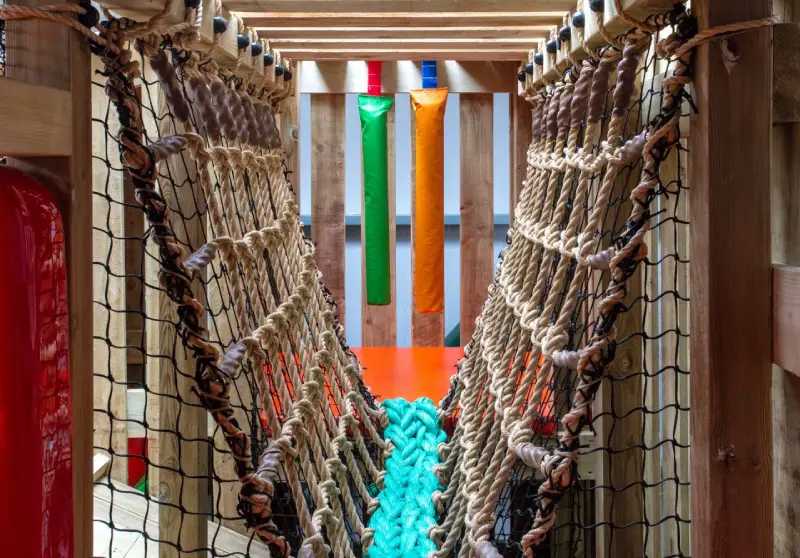
Recommend Equipment: The package includes a treehouse slide, a vine climbing frame and a rope bridge, providing an adventurous jungle-themed experience.
The venue features vine decorations and animal elements, creating a natural adventure atmosphere. It includes a tree house slide, vine climbing area, and ball pool for jungle-themed play. Mini-houses and animal-shaped soft structures encourage role-play, stimulating children’s imagination and creativity in a fun and engaging environment.
Colour tone: Often featuring vibrant colours including bright yellows, oranges, purples and blacks for a dynamic vibe.
Recommend Equipment: Recommended equipment includes a climbing wall, obstacle course, trampoline area and high ropes adventure to inspire children's athletic potential and challenging spirit.
Get active with sports-inspired fun! The playground has a rock climbing wall, obstacle course and high ropes adventure. Kids can exercise, improve their coordination and teamwork while having fun. This unique play experience fosters sportsmanship and provides a healthy and happy environment for children to grow up in.
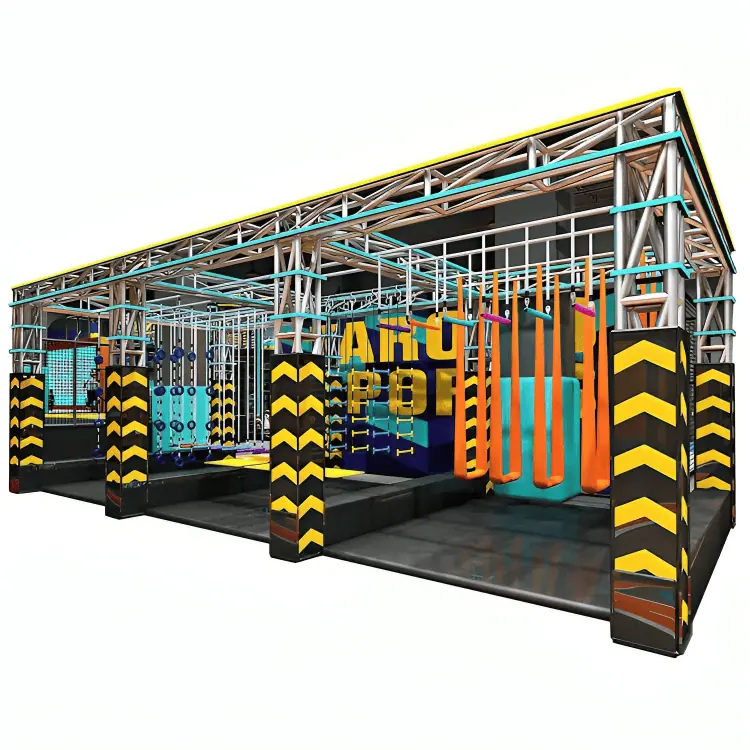
The use of bright colours, such as black, orange, blue and yellow, is often employed to create an atmosphere of movement and challenge.
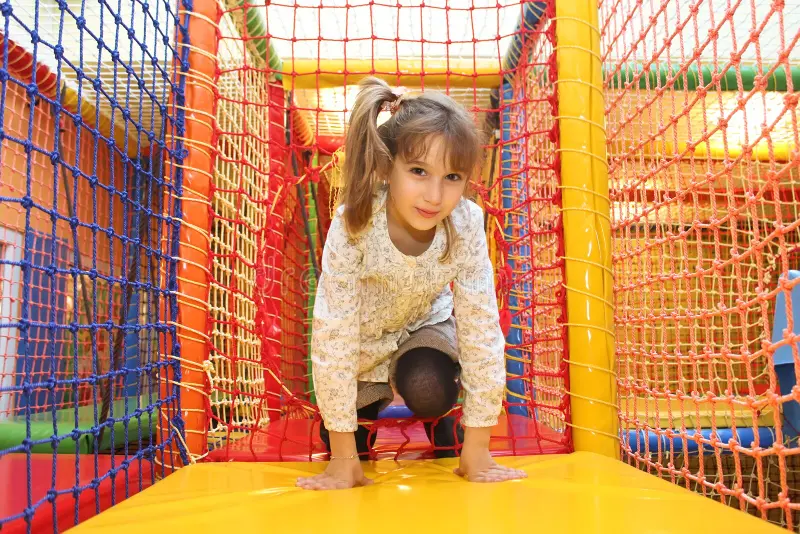
Recommend Equipment: Includes climbing nets, swing ropes, an obstacle course and a ninja training area to inspire children to improve their physical fitness and co-ordination skills through challenges.
Kids can try out exciting challenges like American Ninja Warrior. The playground has different obstacle courses and ninja-style facilities to help kids get stronger and more flexible. They will have fun and get fit while also having an adventure and learning to work together.
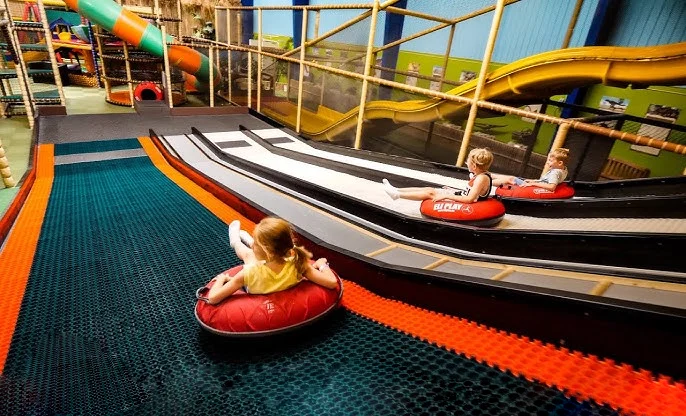
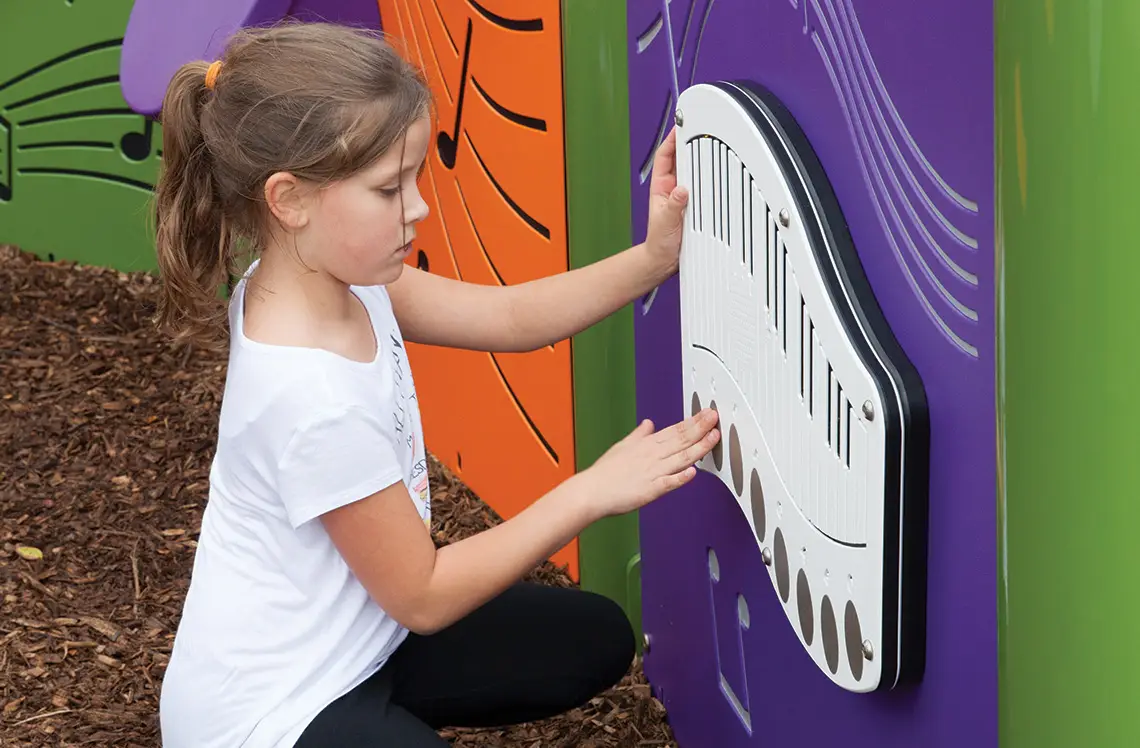
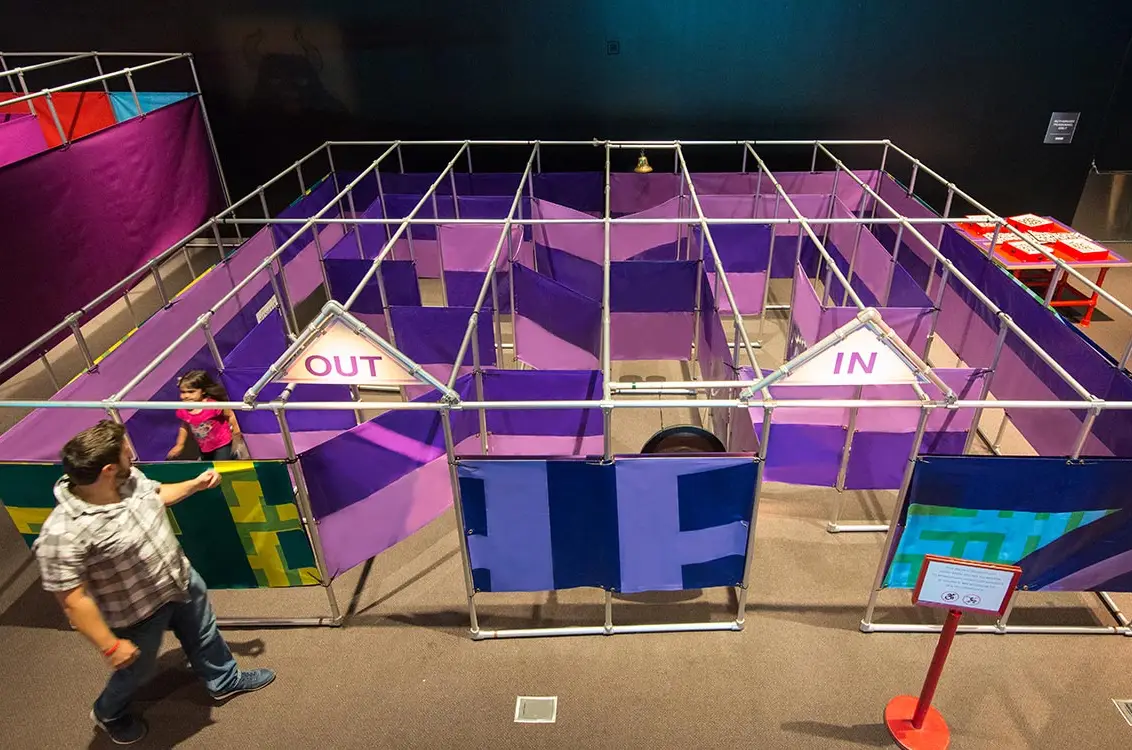
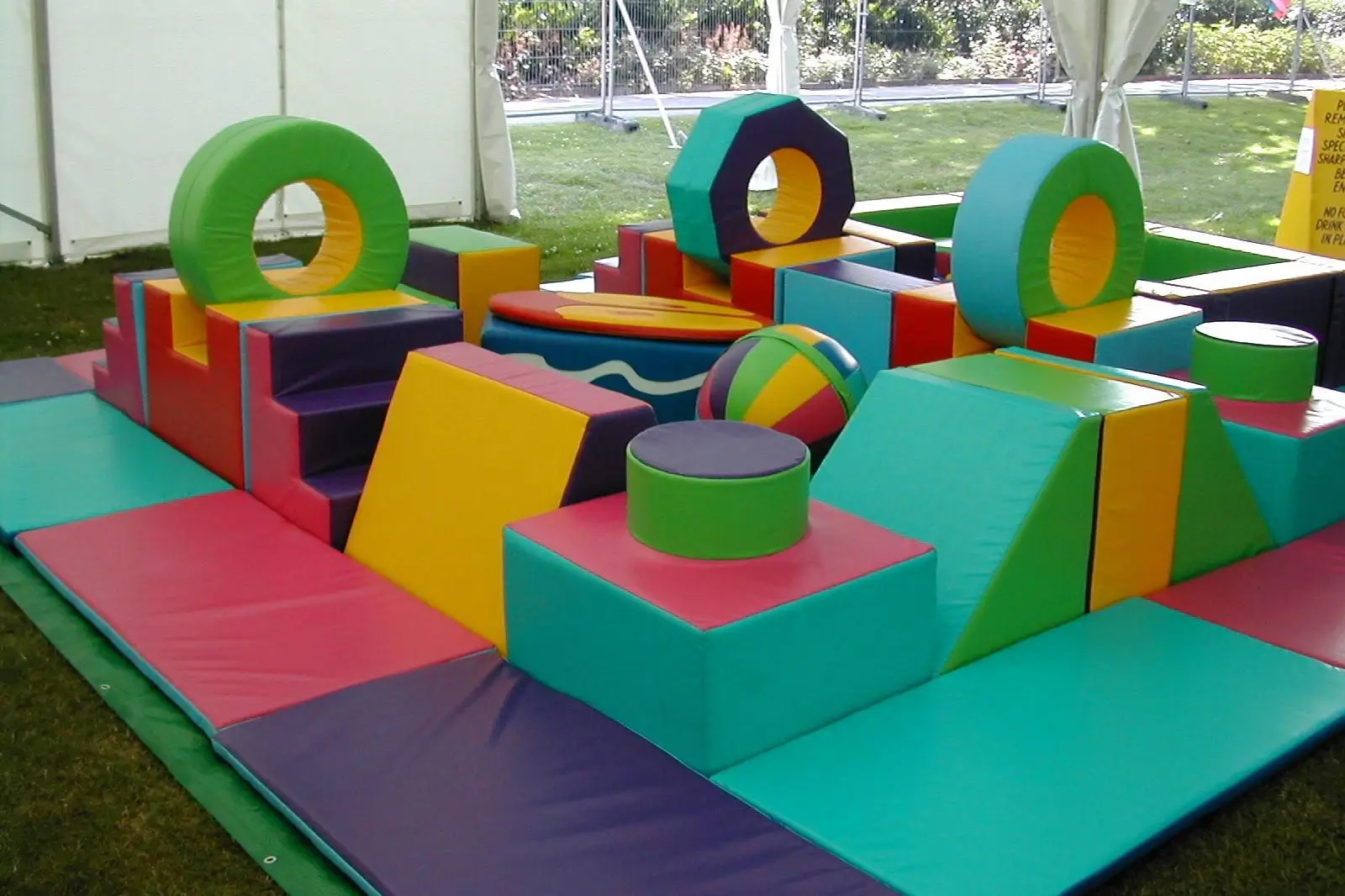
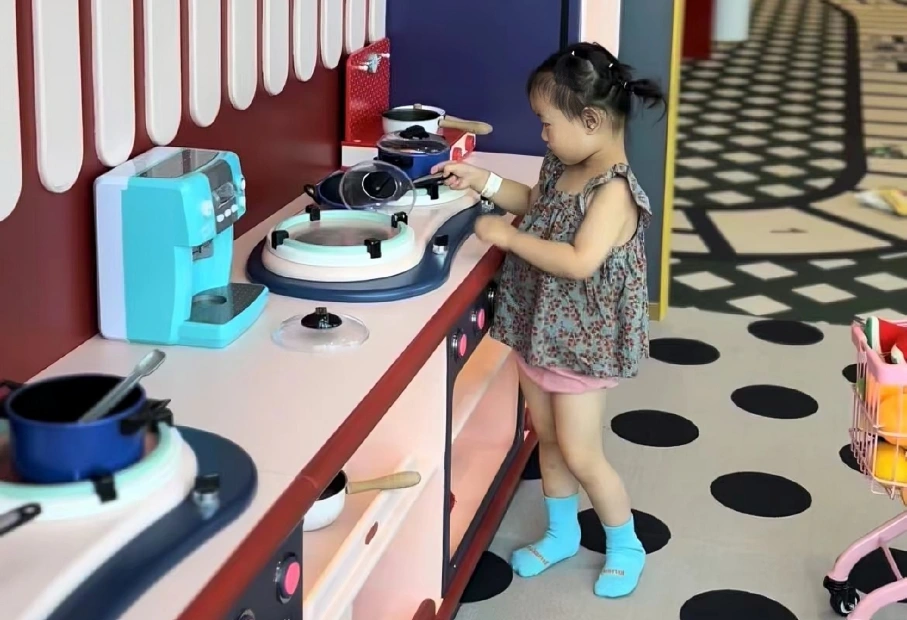
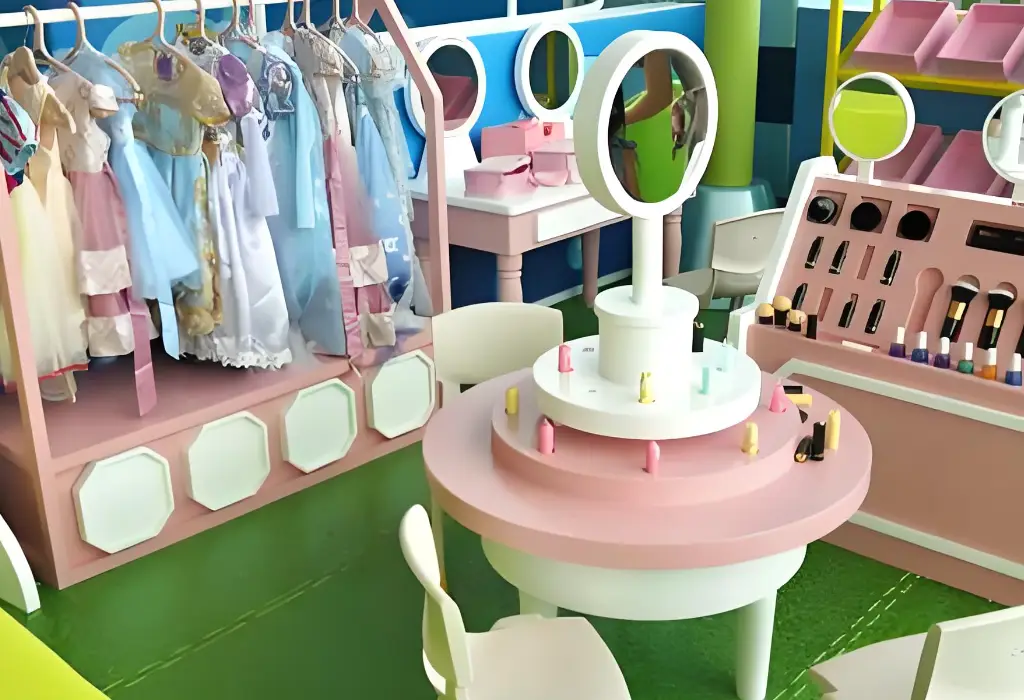
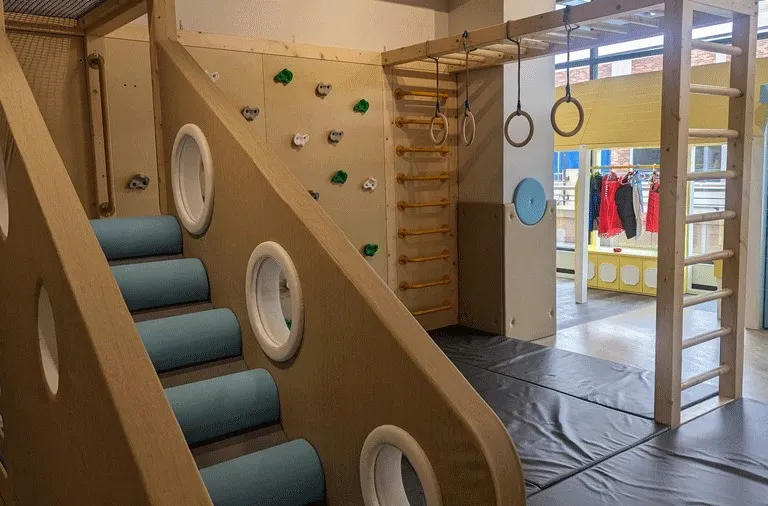
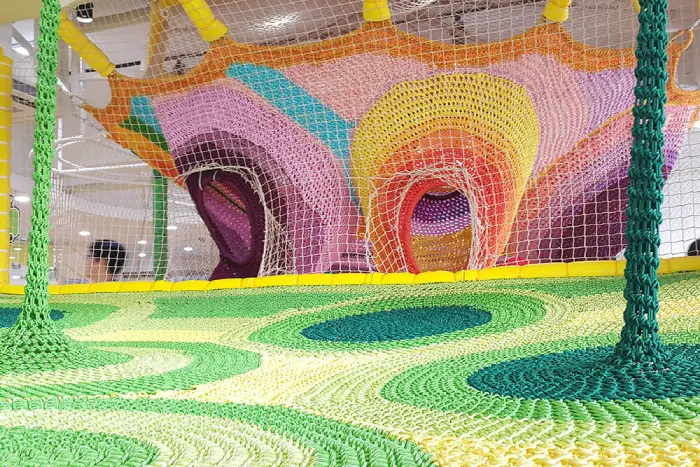
Compare slides, ball-play areas, themed structures, interactive panels, balance elements, mazes, soft play, role-play, trampolines and climbing activities. Select the activity priorities first; the final mix must fit the room and approved project scope.


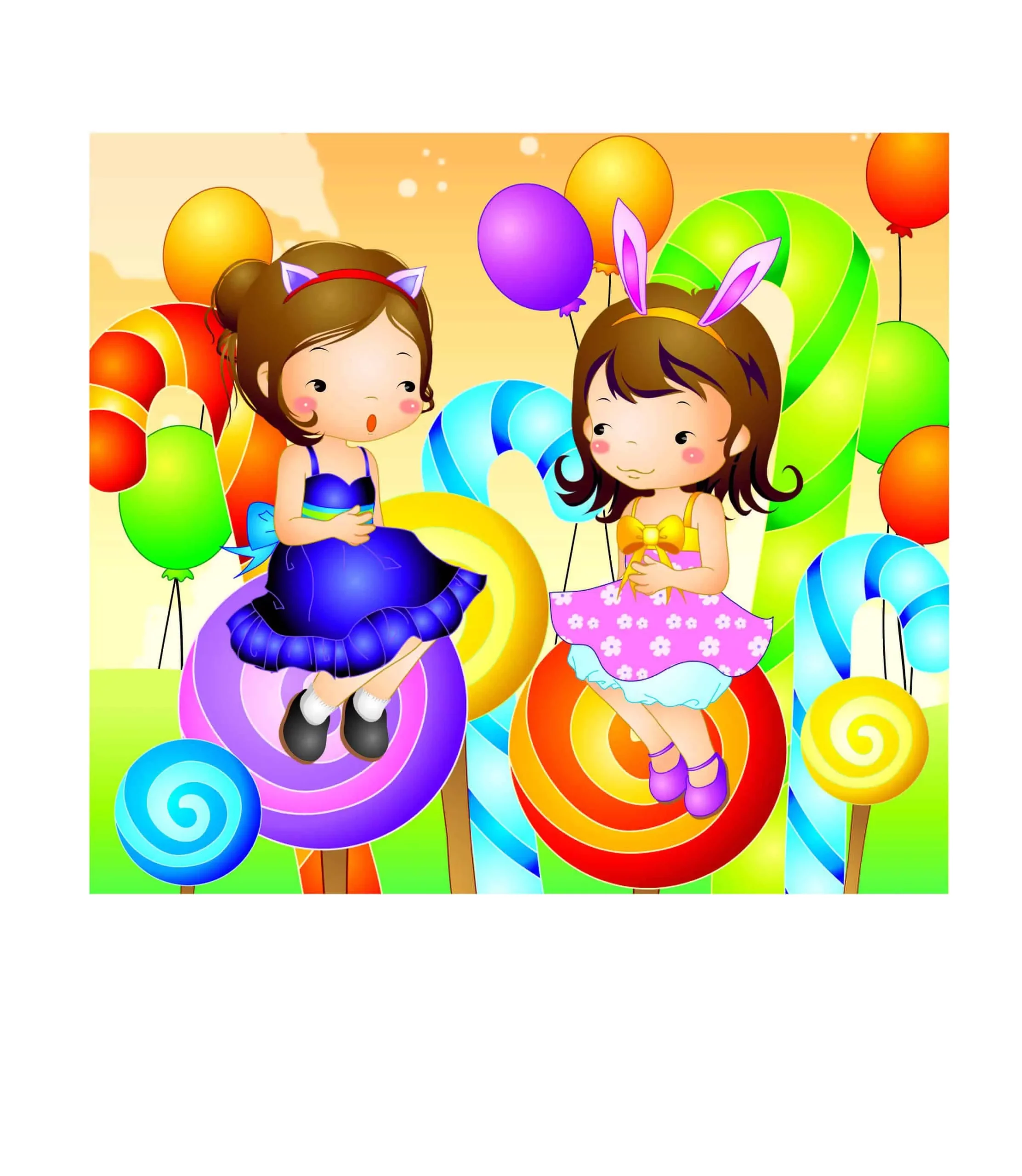
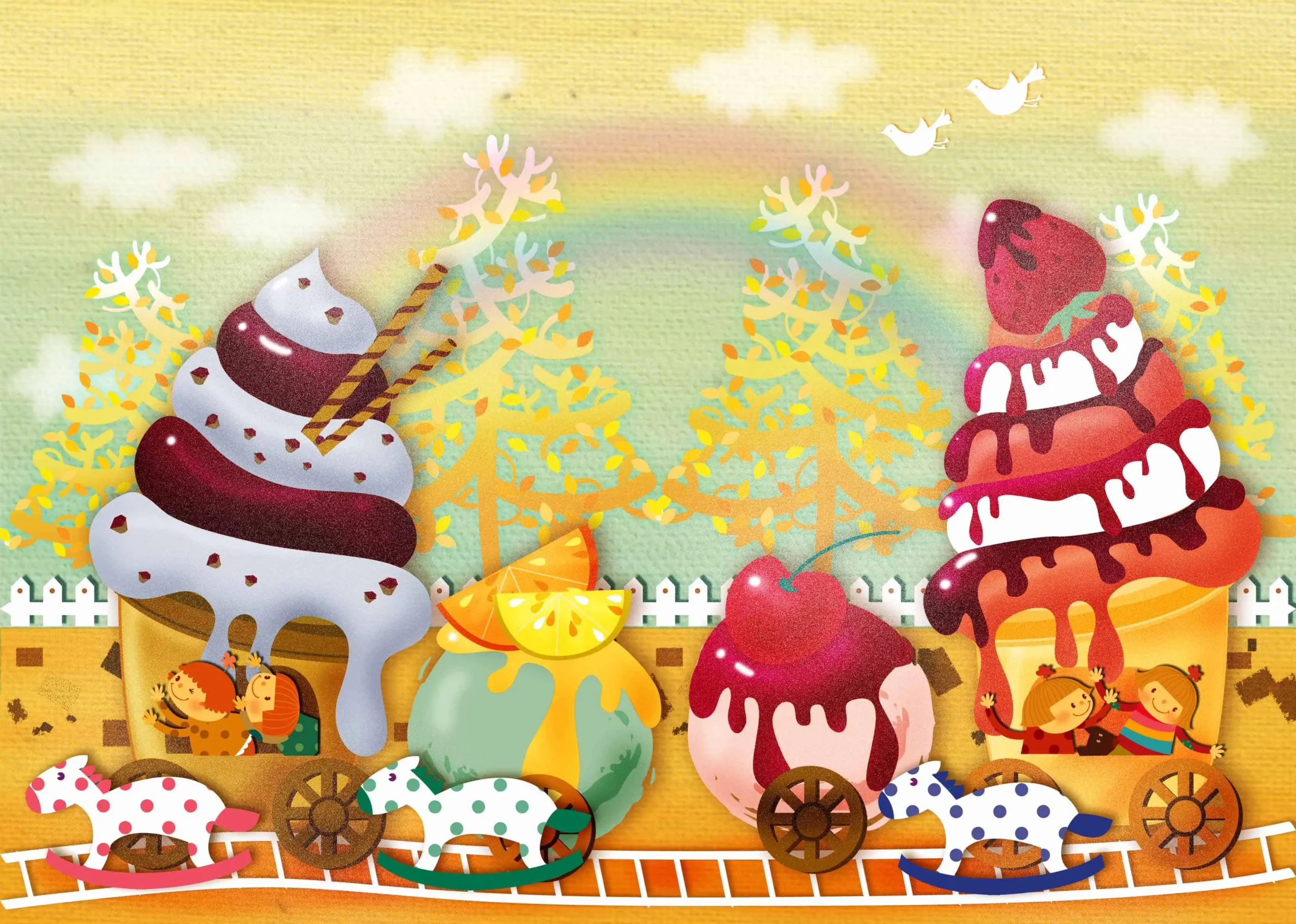
It's got a candy-themed design with lots of bright colours and cool interactive elements, so it'll look great in any setting and be a great place for kids to play.
These stickers are designed to captivate children with candy-themed images. The stickers turn any space into a candy wonderland with lollipops, cupcakes, and ice cream. Bright colours like pink, yellow and blue make the playground more fun for kids.
Some designs include candy-themed paths or games to encourage kids to move around and explore. These stickers can be used on walls, floors, or props, adding fun and creativity to any environment.
Indoor playground equipment may be considered for schools, hotels, shopping centers, daycare settings, community centers, restaurants, transport hubs and recreation venues. Each setting changes the room plan, circulation, supervision priorities and commercial scope that the buyer should provide.

For a school or kindergarten project, state the intended users, room timetable, supervision needs, access and documentation required by the buyer.
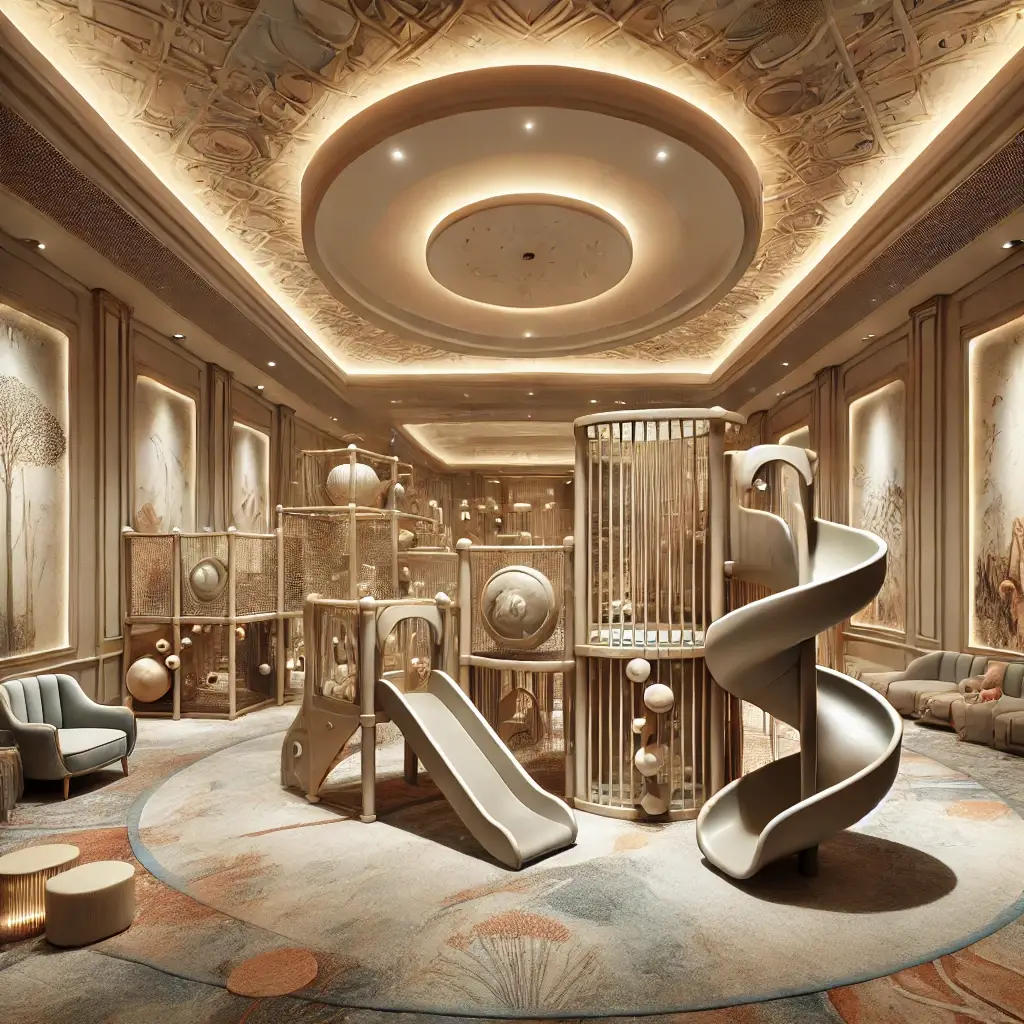
For a hotel or resort project, show how the play area relates to reception, guest circulation, seating and other family facilities.
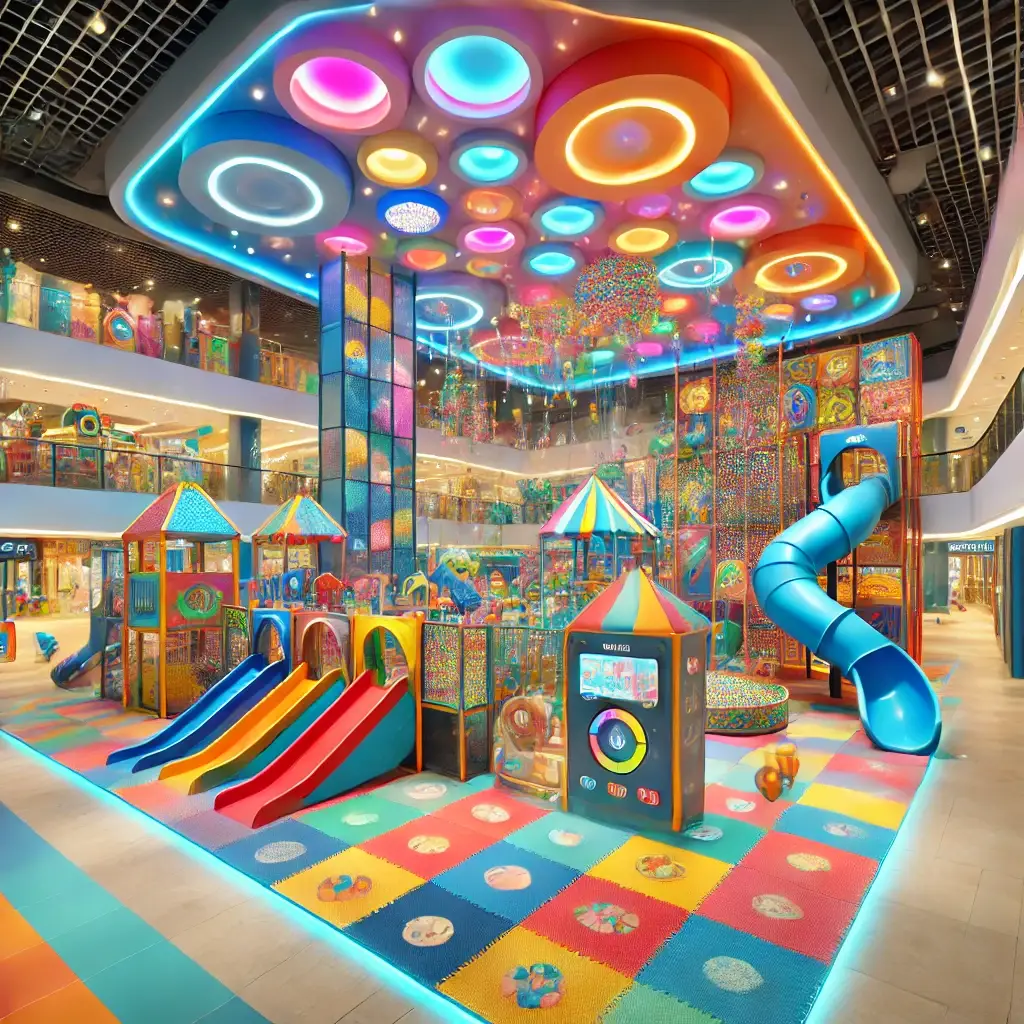
For a shopping-center project, provide the leased footprint, entrances, columns, nearby retail circulation and the visibility expected from common areas.
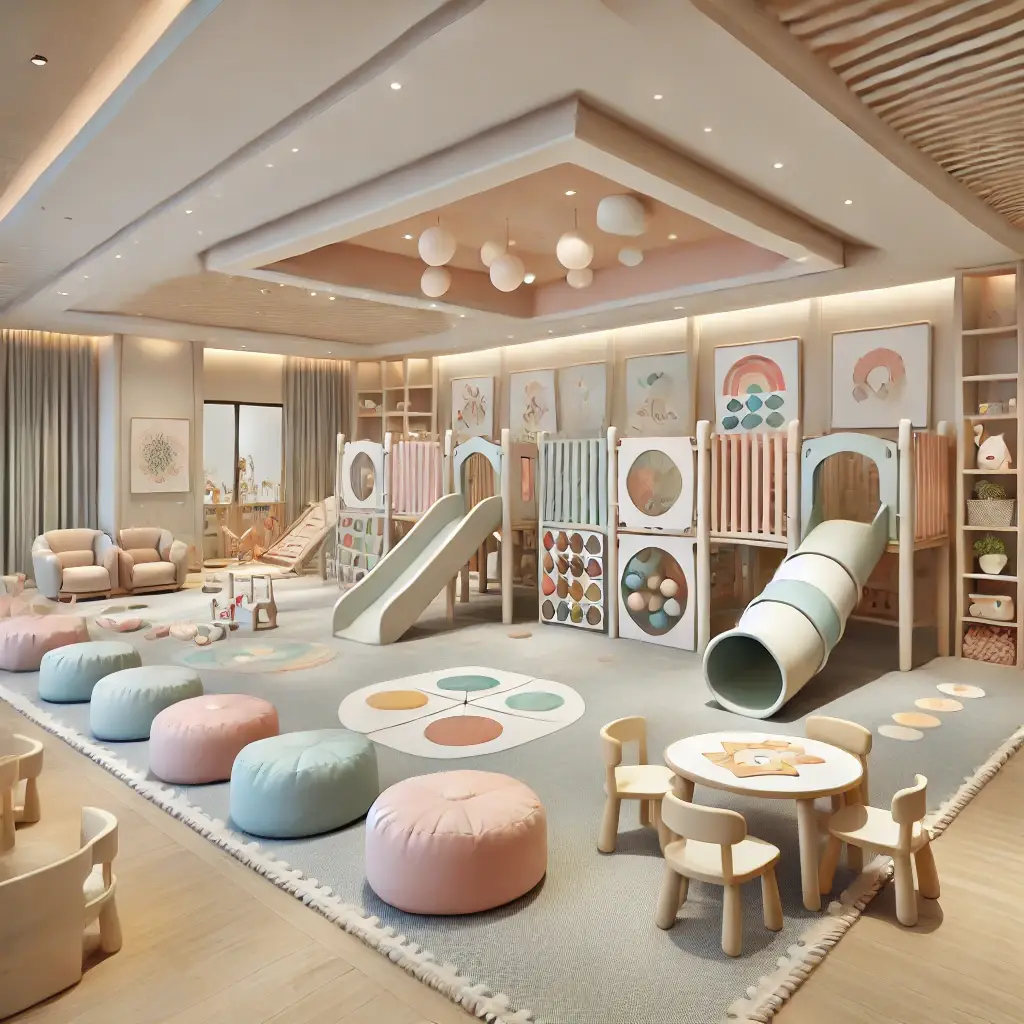
For daycare or nursery use, define the intended users, room boundaries, sightlines, access and the buyer’s age-related requirements.
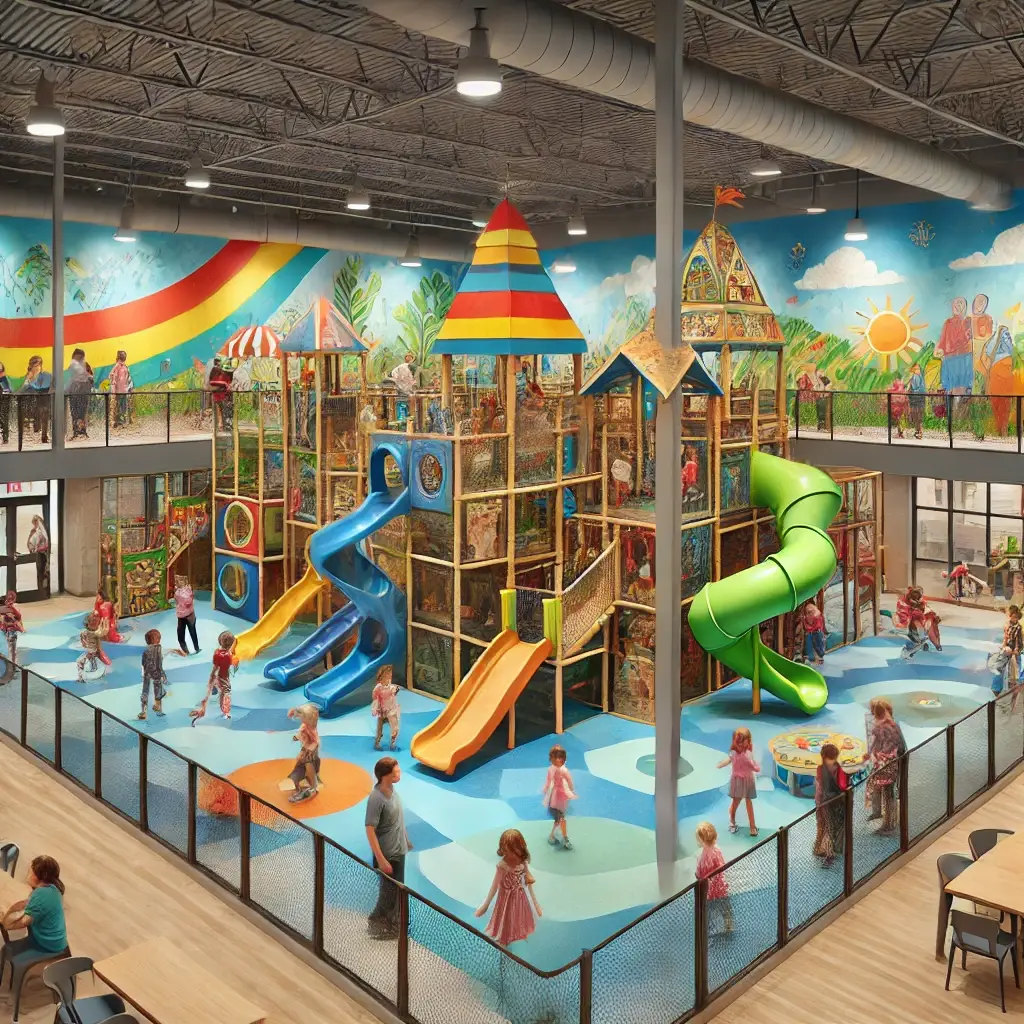
For a community-center project, identify the usable room, adjacent programs, circulation and the activity mix the operator wants to support.

For a restaurant or cafe project, map the play zone against seating, service routes, entrances and the sightlines needed from adult areas.
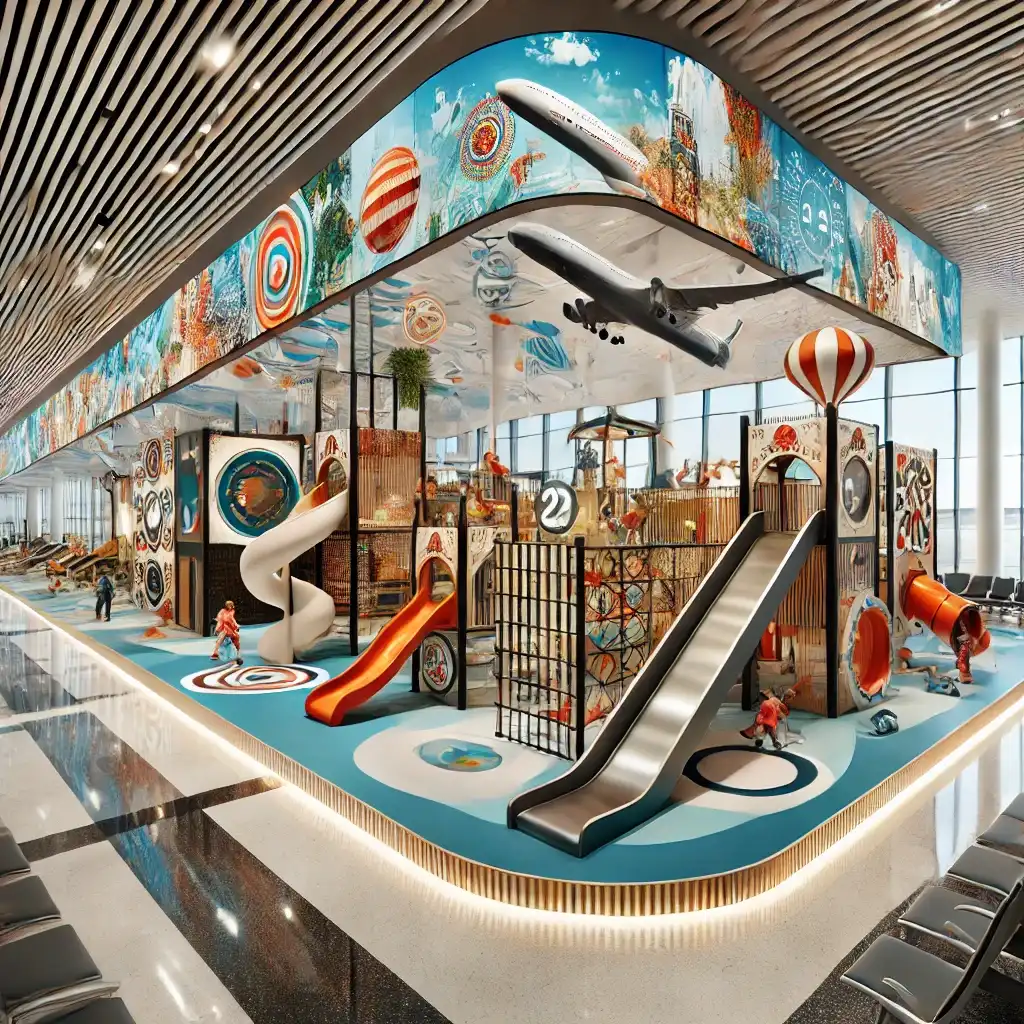
For a transport-hub project, provide the available dwell area, passenger circulation, access, visibility and operator requirements.
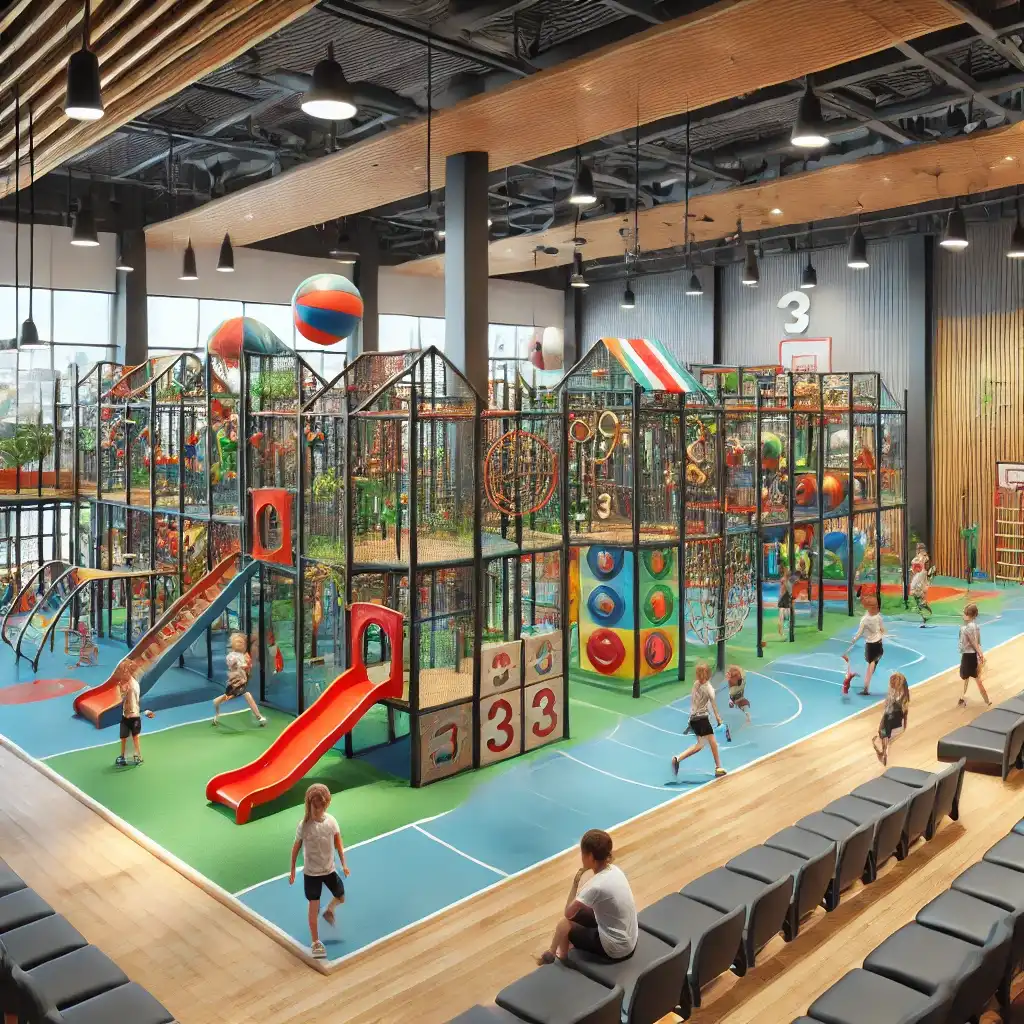
For a gym or recreation venue, show how the play area relates to reception, exercise spaces, circulation and adult supervision points.
Ask the quotation to identify the exact configuration, materials, dimensions, standards scope and supporting documents. Category-page comparisons do not prove durability, safety performance or business ROI.
Selected Configuration
Frame system
Selected frame specification
Confirm material, dimensions, finish and anchoring in the approved technical documents.
Frame evidence
Request the specification and drawings for the selected configuration.
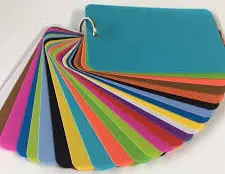
Protective coverings
Selected covering specification
Confirm material, thickness and required fire-performance evidence.
Covering evidence
Request the specification and applicable test documents for the selected material.
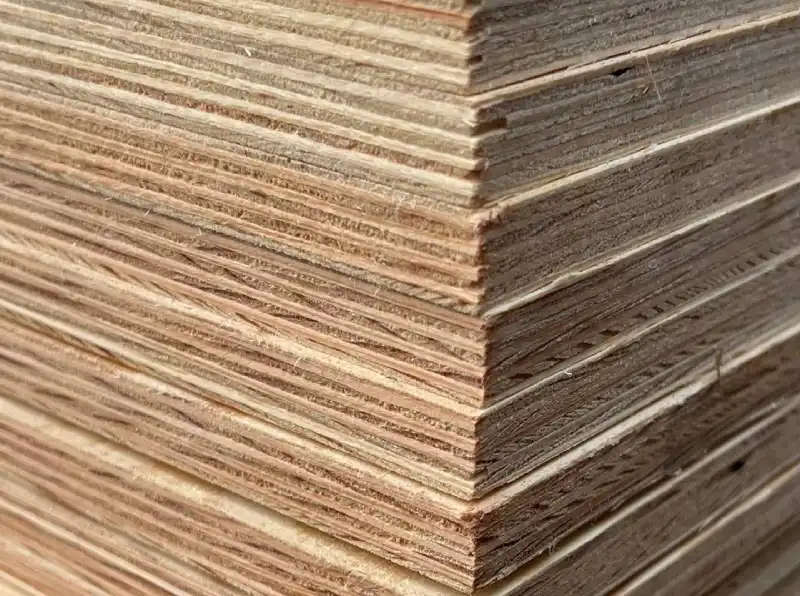
Deck and panel materials
Selected panel specification
Confirm material, grade, thickness, finish and required evidence.
Panel evidence
Request the specification for the selected deck and panel system.
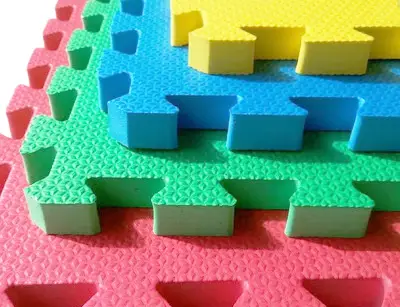
Soft components
Selected soft-component specification
Confirm density, thickness, covering and intended use.
Soft-component evidence
Request the specification and applicable test documents for the selected product.
Ball-play components
Selected ball specification
Confirm material, size, weight and quantity.
Compare material, size, weight, quantity and replacement availability.
Ball-play evidence
Request the product specification for the selected configuration.
Use the featured layouts to compare theme, visible activity mix and overall arrangement. Treat them as design directions until a quotation confirms the equipment list, dimensions, materials and project scope.
For custom pricing, send the floor plan, clear height, project location, priority activities and theme direction. The quotation should identify the selected components and separate the responsibilities for shipping, installation and other project services.
Production, shipping, installation, training, operations and marketing are separate responsibilities that must be stated in the quotation. Do not assume a turnkey package from this category page; review the approved scope, schedule and destination requirements.
Review the layout, equipment schedule, material specifications, standards scope, technical documents, commercial terms and named responsibilities. These records provide stronger buying evidence than general claims about quality or service.
Start with the room and the user task. A buyer choosing equipment for a shopping center, daycare, restaurant or recreation venue needs to compare different circulation, sightline and activity requirements.
Use the sections above to compare slides, climbing, ball play, role play, interactive games, soft play and trampoline-related activities. Identify the few elements that should anchor the layout, then choose a theme that supports the room instead of replacing the site plan.
Use the approved project documents to confirm materials, dimensions, age or capacity requirements, standards scope, technical details, shipping, installation, schedule and price. A category image or generic comparison table cannot establish those facts for a selected configuration.
Review playground slides, climbing equipment, role-playing areas, interactive games and indoor trampoline park equipment. Send the floor plan with the options that matter most.
Use the Knowledge Center to review indoor playground planning and buyer questions. Product-specific materials, standards, performance and installation requirements must be confirmed from the selected equipment and approved project documents.
Send the usable floor plan, lowest clear height, entrances, columns, fixed obstacles, project location and priority activities. Mark separate zones and required sightlines where they affect the room.
Pricing depends on the selected layout, equipment, materials, quantity, destination and project responsibilities. Request a written quotation tied to the approved configuration.
Choose the few activities that should anchor the layout, then compare how slides, climbing, ball play, role play, interactive games, soft play or trampoline-related elements fit the room.
Timing depends on the project scope, approvals, production schedule, destination and installation responsibilities. Request dated milestones in the approved commercial documents.
State the destination market and buyer requirements. The proposal should identify the applicable standards scope and the evidence available for the selected equipment; a category page does not establish certification or tested performance.