






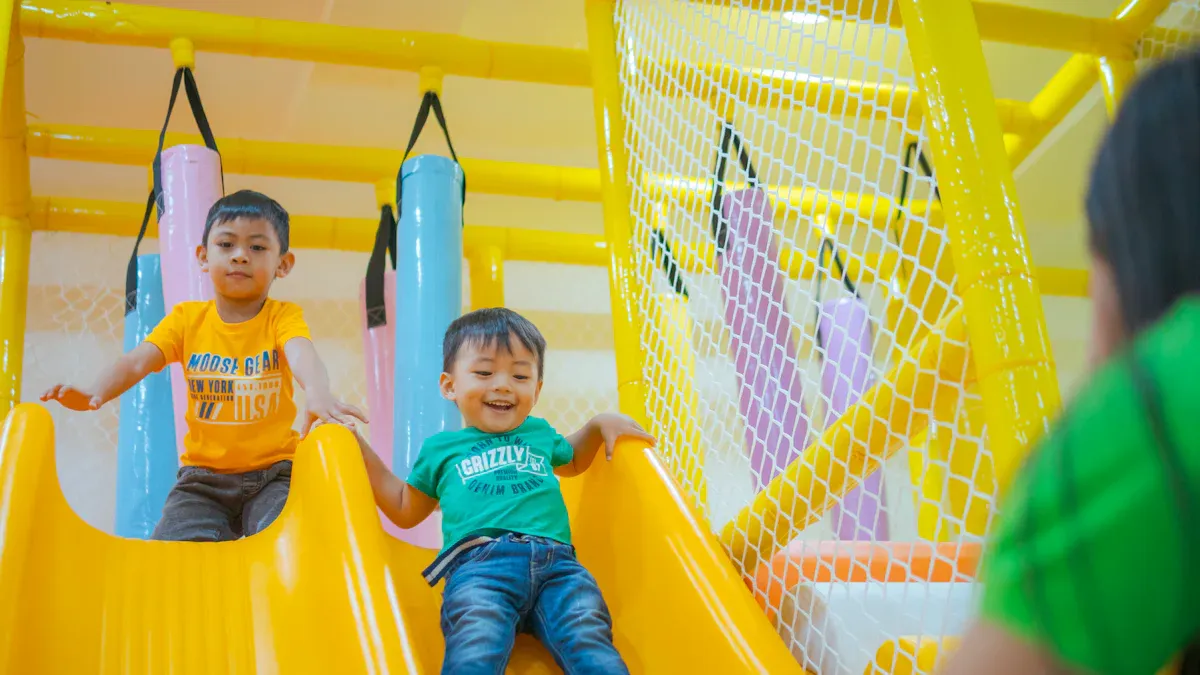
Sie benötigen einen Geschäftsplan für einen Indoor-Spielplatz, der Sicherheit, Finanzen und Kundenerlebnis abdeckt. Als ich mit der Planung begann, erkannte ich, dass das Übersehen wichtiger Details zu großen Problemen führen kann. Hier sind die häufigsten Schwierigkeiten, auf die die meisten Indoor-Spielplatzbetreiber stoßen:
- Wenn Sie nur eine Einnahmequelle, haben, ist es schwer, schwierige Zeiten zu überstehen.
- Wenn Sie regelmäßige Wartungs- oder Sicherheitsprüfungen auslassen, können Unfälle passieren und Ihr Ruf kann leiden. 🛡️
Mit dem richtigen Plan können Sie diese Fehler vermeiden und einen Spielplatz schaffen, dem Familien vertrauen.
Grundlagen des Geschäftsplans für Indoor-Spielplätze
Warum ein Geschäftsplan wichtig ist
Ein Geschäftsplan ist Ihre Roadmap für den Aufbau eines professionellen und langlebigen Indoor-Spielplatzes.
Als ich mein eigenes Indoor-Spielplatzgeschäft startete, stellte ich fest, dass ein Plan mir half, Fehler zu vermeiden. Er half mir auch, erreichbare Ziele zu setzen. Hier sind die Gründe, warum meiner Meinung nach jeder Betreiber einen benötigt:
- 🎯 Definiert wichtige Ziele und Strategien: Mein Geschäftsplan hilft mir, den besten Standort, die passende Ausstattung und die richtigen Marketingstrategien für meinen Spielplatz auszuwählen.
- 💰 Zieht Investoren an: Investoren möchten sehen, dass ich den Markt verstehe und einen Wachstumsplan habe.
- 🛡️ Risiken managen: Mein Plan hilft mir, Sicherheitsprobleme zu erkennen und mich auf Marktveränderungen vorzubereiten.
- 🔄 Hält mich flexibel: Ich passe meinen Plan an neue Trends an, damit mein professioneller Indoor-Spielplatz beliebt bleibt.
Tipp: Ich behalte meinen Geschäftsplan immer bei mir. Er hilft mir, meine Ziele nicht aus den Augen zu verlieren und gute Entscheidungen zu treffen.
Schlüsselelemente, die enthalten sein sollten
Jeder Geschäftsplan für einen Indoor-Spielplatz sollte diese wesentlichen Punkte abdecken.
Ich habe gelernt, dass das Weglassen auch nur eines Teils später zu Problemen führen kann. Hier ist, was ich immer einbeziehe:
| Abschnitt | Was es abdeckt | Warum es wichtig ist |
|---|---|---|
| Leitbild | Mein Zweck und meine Vision für den Spielplatz | Gibt die Richtung vor |
| Marktanalyse | Lokale Nachfrage, Wettbewerb und Trends | Findet Chancen |
| Zielgruppe | Wer meinen professionellen Indoor-Spielplatz besuchen wird | Gestaltet Dienstleistungen |
| Standort & Einrichtung | Wo ich eröffnen und wie ich den Raum gestalten werde | Beeinflusst den Erfolg |
| Spielplatzgestaltung | Ausstattung, Sicherheit und Thematisierung | Zieht Familien an |
| Rechtliches & Compliance | Genehmigungen, Versicherungen und Sicherheitsvorschriften | Vermeidet Probleme |
| Personal & Betrieb | Einstellung, Schulung und tägliche Abläufe | Läuft reibungslos |
| Marketingplan | Branding- und Marketingstrategien | Steigert das Geschäftswachstum |
| Finanzen | Kosten, Einnahmen und Break-Even-Punkt | Verfolgt den Fortschritt |
Hinweis: Ich verwende eine Vorlage für den Geschäftsplan um mir bei der Organisation dieser Teile zu helfen. Die Vorlage gibt mir eine einfache Gliederung, zeigt mir, was als Nächstes zu tun ist, und enthält Beispiele, die die Planung erleichtern. Sie hilft mir, mich auf die wichtigsten Dinge für meinen professionellen Indoor-Spielplatz zu konzentrieren.
Leitbild
Eine starke Mission-Statement inspiriert mein Team und zieht Familien an.
Als ich mein Mission-Statement verfasste, dachte ich darüber nach, was mein Indoor-Spielplatz-Geschäft auszeichnet. Ich wollte, dass es meine Werte und meine Ziele widerspiegelt.
- Ich halte es kurz und leicht verständlich.
- Ich spreche über Sicherheit, Spaß und Gemeinschaft.
- Ich stelle sicher, dass es zu meiner Marke und meiner Vision passt.
Hier ist ein Beispiel, das ich für meinen professionellen Indoor-Spielplatz verwendet habe:
“Einen sicheren, aufregenden und einladenden Raum zu schaffen, in dem Kinder und Familien spielen, lernen und Kontakte knüpfen können.”
Ich stelle meine Mission Statement an den Anfang meines Geschäftsplans für Indoor-Spielplätze. Es erinnert mich daran, warum ich angefangen habe, und hilft mir, fokussiert zu bleiben.
Statistiken zur Indoor-Spielplatzbranche
Die Indoor-Spielplatzbranche wächst rasant und zeigt keine Anzeichen einer Verlangsamung. Ich sehe, dass immer mehr Familien nach sicheren und unterhaltsamen Orten zum Spielen in Innenräumen suchen. Das stärkt den Markt jedes Jahr.
Hier ist ein kurzer Überblick über den globalen Marktwert:
| Jahr | Marktwert (USD) | CAGR (%) |
|---|---|---|
| 2024 | 6,5 Milliarden | N/A |
| 2025 | 6,89 Milliarden | N/A |
| 2033 | 10,6 Milliarden | 6% |
🏆 Was bedeutet das für mich?
Die Indoor-Spielplatzbranche wächst stetig. Ich sehe mehr Möglichkeiten, neue Spielplätze zu eröffnen und bessere Dienstleistungen anzubieten.
Warum wächst die Branche?
- Immer mehr Eltern wünschen sich Indoor-Unterhaltung für ihre Kinder.
- Sicherheit ist wichtiger denn je.
- Neue Spielgeräte machen Spielplätze spannend.
- Städte und Gemeinden unterstützen familienfreundliche Unternehmen.
- Junge Familien suchen Orte zum Spielen, Lernen und Kontakte knüpfen.
Diese Trends bemerke ich täglich in meinem eigenen Geschäft. Familien fragen nach Sicherheitsmerkmalen und neuen Aktivitäten. Kinder lieben es, neue Geräte auszuprobieren. Lokale Behörden helfen oft mit Zuschüssen oder Beratung.
Die Zukunft für Indoor-Spielplätze sieht vielversprechend aus.
Ich habe gelesen, dass die Nachfrage steigen wird, besonders in Großstädten. Staatliche Programme und eine neue Elterngeneration fördern das Marktwachstum. Ich sehe, dass immer mehr Spielplätze Kunst, Kultur und Bildung integrieren. Das macht jeden Spielplatz einzigartig und sorgt dafür, dass Familien immer wiederkommen.
💡 Tipp:
Ich prüfe immer die neuesten Trends und Statistiken, bevor ich wichtige Entscheidungen treffe. Das hilft mir, die Nase vorn zu haben und das anzubieten, was Familien wünschen.
Zusammenfassend:
Die Indoor-Spielplatzbranche ist stark und wächst. Wenn ich gut plane und den Trends folge, kann mein Spielplatz jahrelang erfolgreich sein.
Was macht einen Geschäftsplan für Indoor-Spielplätze unerlässlich?
Ein Geschäftsplan ist nicht nur Papierkram – er ist das Fundament für einen professionellen Indoor-Spielplatz. Als ich mein eigenes Indoor-Spielplatzgeschäft gründete, stellte ich fest, dass ein klarer Plan alles einfacher machte. Lassen Sie mich Ihnen zeigen, warum er so wichtig ist.
1. Er sorgt für die Einhaltung gesetzlicher Vorschriften.
Ich kann keinen professionellen Indoor-Spielplatz eröffnen, ohne die gesetzlichen Anforderungen zu erfüllen. Hier ist eine Tabelle, die zeigt, was ich benötige:
| Anforderung — | Beschreibung — |
|---|---|
| Gewerbeschein — | Ich brauche das, um jedes Indoor-Spielplatzgeschäft zu betreiben. — |
| Baugenehmigung — | Mein Standort muss für einen professionellen Indoor-Spielplatz ausgewiesen sein. — |
| Baugenehmigung — | Diese benötige ich, wenn ich das Gebäude ändere oder neue Spielgeräte hinzufüge. — |
| Genehmigungen für Gesundheit und Sicherheit — | Diese decken Sanitär- und Lebensmittelhandhabung ab, falls ich Snacks anbiete. — |
| Brandschutzgenehmigung — | Mein Spielplatz muss Brandschutzvorschriften und Sicherheitsstandards erfüllen. — |
| Nutzungsgenehmigung — | Diese bestätigt, dass mein Raum für Familien und Kinder sicher ist. — |
🛡️ Tipp: Ich informiere mich immer bei meiner lokalen Behörde, bevor ich einen Mietvertrag unterschreibe oder Geräte kaufe. Das Fehlen einer Genehmigung kann meinen Spielplatz schließen, bevor er eröffnet wird.
2. Es hilft mir, Finanzierung und Unterstützung zu erhalten.
Banken und Investoren möchten einen professionellen Geschäftsplan für Indoor-Spielplätze sehen, bevor sie mir Geld geben. Hier ist, worauf sie achten:
| Beschreibung der Beweise — | Wichtige Punkte — |
|---|---|
| Überblick über den Geschäftsplan — | Zeigt, wie mein Spielplatz wachsen und erfolgreich sein wird. — |
| Finanzierungshilfe — | Hilft mir, Geld zu beschaffen und für zukünftiges Wachstum zu planen. — |
| Darlehensanforderungen — | Beweist, dass ich Kredite zurückzahlen und meinen Spielplatz gut führen kann. — |
💰 Hinweis: Als ich einen Kredit beantragte, fragte die Bank nach meinem Geschäftsplan. Sie wollten meine Ziele, mein Budget und meinen Plan zur Gewinnerzielung sehen.
3. Er hält meinen Spielplatz sicher und organisiert.
Ein professioneller Indoor-Spielplatz benötigt Regeln für Sicherheit, Reinigung und tägliche Abläufe. Mein Geschäftsplan hilft mir, diese Regeln aufzustellen und mein Team zu schulen.
4. Er hilft mir, kostspielige Fehler zu vermeiden.
Ich nutze meinen Plan, um Risiken zu erkennen, bevor sie zu Problemen werden. Wenn ich vergesse, Geräte zu überprüfen oder Sicherheitsschulungen auszulassen, können Unfälle passieren. Mein Plan hält mich auf Kurs.
5. Er zeigt Familien, dass mir Qualität wichtig ist.
Eltern vertrauen einem professionellen Indoor-Spielplatz, der Regeln befolgt und einen klaren Plan hat. Mein Geschäftsplan hilft mir, dieses Vertrauen aufzubauen.
Zusammenfassend:
Ein solider Geschäftsplan für einen Indoor-Spielplatz ist für die Einhaltung von Vorschriften, die Finanzierung, die Sicherheit und das Vertrauen unerlässlich. Ich nutze meinen Plan täglich, um einen professionellen Indoor-Spielplatz zu betreiben, den Familien lieben. 🏆
Ist ein Indoor-Spielplatz profitabel?
Ja, ein professioneller Indoor-Spielplatz kann Geld einbringen, wenn Sie gut planen und sich auf das Wesentliche konzentrieren. Ich habe viele Betreiber gesehen, die erfolgreich waren, indem sie einen soliden Geschäftsplan für Indoor-Spielplätze nutzten und auf Details achteten.
Als ich mich zum ersten Mal mit dem Geschäft für Indoor-Spielplätze beschäftigte, wollte ich wissen, was die Gewinne von Indoor-Spielplätzen steigert. Ich fand heraus, dass einige Dinge wichtiger sind als andere:
- 🚶♂️ Kundenfrequenz: Mehr Familien, die uns besuchen, bedeuten mehr Einnahmen.
- 📍 Standort: Die Nähe zu Schulen oder belebten Orten zieht mehr Besucher an.
- 🏗️ Größe und Ausstattung: Ein größerer professioneller Indoor-Spielplatz mit vielen Attraktionen kann mehr Gäste anziehen.
- 💸 Betriebskosten: Ich achte auf Miete, Personalkosten und Nebenkosten, um nicht zu viel auszugeben.
- 🎡 Vielfalt der Attraktionen: Ich füge neue Spielbereiche und unterhaltsame Elemente hinzu, damit Familien gerne wiederkommen.
- 🛡️ Sicherheit: Eltern vertrauen einem professionellen Indoor-Spielplatz, der die Kinder sicher hält.
- 📢 Marketing und Branding: Ich nutze soziale Medien und Werbung, um neue Familien auf meinen Spielplatz aufmerksam zu machen.
Tipp: Ich schaue mir immer an, was andere Spielplätze machen. Wenn ich etwas Cooles oder Anderes sehe, überlege ich, es zu meinem eigenen professionellen Indoor-Spielplatz hinzuzufügen.
Hier ist eine Tabelle, die zeigt, wie sich diese Dinge auf den Gewinn auswirken:
| Faktor | Auswirkungen auf den Gewinn 😃 |
|---|---|
| Kundenfrequenz | Mehr Besucher, mehr Umsatz |
| Standort | Einfacher Zugang, mehr Traffic |
| Größe und Ausstattung | Mehr Platz, mehr Aktivitäten |
| Betriebskosten | Geringere Kosten, höherer Gewinn |
| Vielfalt der Attraktionen | Bindet Familien |
| Sicherheit | Schafft Vertrauen, wiederholte Besuche |
| Marketing und Branding | Zieht neue Kunden an |
Ich habe auch gelernt, dass neue Dinge und viele Auswahlmöglichkeiten wichtig sind. Wenn ich neue Spielgeräte bekomme oder besondere Veranstaltungen habe, sind Familien begeistert und erzählen ihren Freunden davon. Das hilft meinem professionellen Indoor-Spielplatz, sich von anderen abzuheben.
Hier sind die Schritte, die ich unternehme, um mehr Gewinn zu erzielen:
- Ich wähle einen guten Standort, an dem viele Familien leben.
- Ich gestalte meinen professionellen Indoor-Spielplatz für Kinder jeden Alters.
- Ich halte alles sauber und sicher.
- Ich biete Geburtstagsfeiern, Kurse und Mitgliedschaften an, um zusätzliches Geld zu verdienen.
- Ich überprüfe meine Ausgaben und ändere die Preise, wenn nötig.
🏆 Hinweis: Ein professioneller Indoor-Spielplatz mit einem klaren Geschäftsplan für Indoor-Spielplätze kann schwierige Zeiten überstehen und schneller wachsen.
Nach meiner Erfahrung verdient ein professioneller Indoor-Spielplatz Geld, wenn ich mich auf die Bedürfnisse von Familien konzentriere, die Dinge sicher halte und klug investiere. Ich versuche immer, mich zu verbessern und auf die Wünsche der Familien zu hören. Wenn Sie diese Dinge tun, kann Ihr Indoor-Spielplatzgeschäft gut laufen und stetige Einnahmen erzielen.
Welche allgemeinen Themen haben Indoor-Spielplätze?
Indoor-Spielplätze nutzen kreative Themen, um die Spielzeit unterhaltsam und besonders zu gestalten. Ich weiß, dass die Wahl des richtigen Themas einen einfachen Raum in einen coolen Ort für Kinder und Familien verwandeln kann. Bei der Planung meines Spielplatzes denke ich darüber nach, was Kinder dazu bringt, sich neue Dinge vorzustellen und wiederkommen zu wollen.
Hier sind die beliebtesten Themen für Indoor-Spielplätze im Jahr 2024:
| Thema | Beschreibung |
|---|---|
| 🌳 Natur-inspirierte Themen | Räume sehen aus wie Wälder oder Ozeane. Kinder agieren als Entdecker oder Seefahrer. |
| 💧 Interaktive Wasserspiele | Sichere Wasserspielbereiche. Kinder planschen, schütten und kühlen sich ab, während sie etwas über Wasser lernen. |
| 🌱 Biophile Designelemente | Echte Pflanzen und grüne Ecken. Diese helfen Menschen, sich zu beruhigen und besser zu atmen. |
| 👂 Sensorische Zonen | Orte mit unterschiedlichen Texturen, Geräuschen und Gerüchen. Diese helfen Kindern, ihre Sinne zu entwickeln. |
| 🏗️ Flexible Spielstrukturen | Geräte, die sich bewegen oder ihre Form ändern. Kinder nutzen diese für viele Spiele und Aktivitäten. |
Tipp: Ich verwende gerne zwei oder drei Themen in meinem Spielplatz. Das sorgt dafür, dass sich jeder Besuch für Familien neu und spannend anfühlt.
Themen-Spielplätze tun mehr, als nur gut auszusehen. Sie helfen meinem Geschäft, besser zu werden.
- Themen-Spielplätze bauen eine starke Gemeinschaft auf. Familien fühlen sich willkommen, wenn sie einen unterhaltsamen Raum sehen.
- Mitgliedschaften und wiederholte Besuche steigen. Wenn Familien das Thema genießen, kommen sie viele Male wieder.
- Glückliche Familien erzählen ihren Freunden davon. Gute Zeiten lassen die Leute über meinen Spielplatz reden, was neue Kunden bringt.
Ich sehe, dass Kinder es lieben, neue Orte zu erkunden. Wenn ich ein Dschungel- oder Ozean-Thema hinzufüge, tun Kinder so, als wären sie auf Abenteuern. Eltern beobachten gerne, wie ihre Kinder an einem sicheren Ort lernen und spielen. Mir fällt auch auf, dass sensorische Zonen Kindern mit unterschiedlichen Bedürfnissen helfen, sich einbezogen zu fühlen.
Warum konzentriere ich mich auf Themen?
Themen machen meinen Spielplatz einzigartig. Sie geben Familien einen Grund, meinen Ort anderen vorzuziehen. Ich kann Themen für Feiertage oder Jahreszeiten ändern oder aktualisieren. Das hält meinen Spielplatz frisch und unterhaltsam.
😊 Hinweis: Ich frage Familien immer, welche Themen sie als nächstes wünschen. Ihre Ideen helfen mir, neue Bereiche und Aktivitäten zu planen.
Zusammenfassend:
Das richtige Thema macht einen Indoor-Spielplatz zu einem besonderen Ort. Natur, Wasser, sensorisches Spiel und flexible Geräte sind 2024 Top-Favoriten. Thematische Spielplätze helfen mir, eine loyale Gemeinschaft aufzubauen und Familien immer wieder für mehr Spaß zurückzubringen.
Marktstudie und Branchenübersicht
Trends in der Indoor-Spielplatzbranche
Die drei wichtigsten Trends in der Indoor-Spielplatzbranche für 2025 sind interaktive Themen-Spielbereiche, Integration von Smart-Technologie und modulares Design.
Ich stelle fest, dass diese Trends die Einrichtung meines Spielplatzes verändern. Eltern suchen mehr als nur Rutschen oder Bällebäder. Sie suchen nach Orten, an denen Kinder lernen, Freunde finden und auf neue Weise Spaß haben können.
- Interaktive Themen-Spielbereiche: Ich gestalte Spielbereiche mit Geschichten und Abenteuern. Kinder tun so, als wären sie Entdecker oder Superhelden. Das hilft ihnen, ihre Fantasie zu nutzen und soziale Fähigkeiten zu erlernen.
- Interaktive Spielgeräte & Integration von Smart-Technologie: Ich füge technische Features wie Touchscreens und Lichtspiele hinzu. Kinder genießen die Mischung aus körperlichem Spiel und digitalem Spaß.
- Modulares und platzsparendes Design: Mein Spielplatz nutzt Geräte, die sich bewegen oder stapeln lassen. Ich ändere das Layout für Partys oder besondere Veranstaltungen. So kann ich auch in kleinen Gebäuden den gesamten Platz nutzen. 🏗️
💡 Tipp: Ich frage Familien, welche neuen Features sie sich wünschen. Ihre Ideen helfen mir, im Markt für Indoor-Spielplätze die Nase vorn zu haben.
Lokale Marktanalyse
Die Analyse meines lokalen Marktes für Indoor-Spielplätze hilft mir, den besten Standort und die passenden Dienstleistungen für Familien zu finden.
Ich beginne damit, zu prüfen, wie viele Familien in der Nähe leben. Ich schaue, ob es Schulen, Kindertagesstätten oder belebte Einkaufszentren in der Nähe meines Spielplatzes gibt. Ich frage Eltern, was sie am meisten wünschen, wie sicheres Spielen, Geburtstagsfeiern oder Lernaktivitäten.
Hier ist eine einfache Tabelle, die ich zum Vergleich lokaler Bedürfnisse verwende:
| Faktor — | Was ich suche — | Warum es wichtig ist — |
|---|---|---|
| Familienbevölkerung — | Anzahl der Familien mit kleinen Kindern — | Mehr Familien bedeuten mehr Besucher — |
| Konkurrierende Spielplätze — | Wie viele Spielplätze gibt es in der Nähe — | Zeigt, ob der Markt gesättigt ist — |
| Veranstaltungen in der Gemeinde — | Lokale Feste oder Messen — | Gute Chancen, meinen Spielplatz zu bewerben — |
| Elternpräferenzen — | Was Eltern sich wünschen — | Hilft mir, die richtigen Dienstleistungen anzubieten — |
Ich spreche mit Familien auf lokalen Veranstaltungen und nutze Umfragen, um zu erfahren, was sie wollen. Das hilft mir, einen Spielplatz zu gestalten, der zu meiner Community passt.
Wettbewerbsanalyse
Das Wissen über meine Konkurrenz hilft mir, meinen Spielplatz hervorzuheben.
Ich besuche andere Spielplätze in meiner Umgebung. Ich achte auf deren Preise, Themen und Sonderangebote. Ich prüfe ihre Online-Bewertungen, um zu sehen, was Familien mögen und nicht mögen.
So vergleiche ich meinen Spielplatz mit anderen:
- Ich liste auf, was meinen Spielplatz einzigartig macht, wie z. B. spezielle Themen oder technische Merkmale.
- Ich notiere, was die Konkurrenz gut macht und wo sie Schwächen hat.
- Ich beobachte neue Spielplätze, die in der Nähe eröffnen.
🏆 Hinweis: Ich nutze diese Recherche, um meinen Spielplatz zu verbessern und etwas anzubieten, das Familien in der Indoor-Spielplatzbranche nirgendwo anders finden.
Zusammenfassend:
Die Recherche über die Indoor-Spielplatzbranche und meinen lokalen Markt für Indoor-Spielplätze hilft mir bei der besseren Planung. Ich verfolge neue Trends, studiere meine Gemeinde und lerne von Wettbewerbern. So bleibt mein Spielplatz frisch, unterhaltsam und erfolgreich.
Zielmarkt und einzigartiger Wert
Ihre Zielgruppe identifizieren
Ich beginne immer damit, genau zu wissen, wer meinen Indoor-Spielplatz besuchen wird. 🎯
Ich finde Familien, die sicheren Spaß für ihre Kinder suchen. Die meisten Besucher sind Eltern mit Kindern im Alter von 2 bis 10 Jahren. Auch Großeltern, Babysitter und Schulklassen kommen vorbei. Ich spreche mit Familien bei Veranstaltungen und frage, was sie sich wünschen.
So gliedere ich meine Zielgruppe:
- Eltern, denen Sicherheit und saubere Orte wichtig sind
- Familien, die Spaß ohne Bildschirme suchen
- Kinder, die gerne spielen und lernen
- Betreuungspersonen, die einen guten Ort für Kinder brauchen
- Schulen und Gruppen, die Ausflüge planen
Ich nutze Umfragen und soziale Medien, um herauszufinden, was die Leute mögen. Das hilft mir, neue Dinge zu planen und alle glücklich zu machen.
Alleinstellungsmerkmale
Ich hebe meinen Spielplatz hervor, indem ich Dinge anbiete, die Familien nirgendwo anders finden. 🏆
Um hervorzustechen, konzentriere ich mich darauf, was meinen Spielplatz besonders macht. Hier ist eine Tabelle mit meinen wichtigsten Alleinstellungsmerkmalen:
| Alleinstellungsmerkmale | Beschreibung |
|---|---|
| Themenbereiche und Attraktionen | Ich gestalte Spielbereiche mit coolen Themen wie Dschungel oder Weltall. |
| Außergewöhnliche Dienstleistungen | Ich biete Geburtstagsfeiern, VIP-Mitgliedschaften und Lernprogramme an. |
| Interaktive Elemente | Ich füge Smart-Armbänder und Spiele für zusätzlichen Spaß hinzu. |
| Storytelling | Ich erschaffe Geschichten für das Thema meines Spielplatzes, damit sich Familien wie Teil eines Abenteuers fühlen. |
Diese Funktionen helfen, neue Kunden zu gewinnen und bestehende Kunden wiederkommen zu lassen. Wenn Familien neue Dinge sehen, möchten sie wiederkommen. Ich aktualisiere meine Themen und füge neue Dienstleistungen hinzu, um die Kundenbindung zu stärken.
Kundenservice-Strategien
Großartiger Kundenservice sorgt dafür, dass Familien wiederkommen und fördert die Kundenbindung. 😊
Ich nutze einfache Wege, um jeden Besuch zu etwas Besonderem zu machen:
- Ich gruppiere meine Zielgruppe nach Alter und Interessen. Das hilft mir, besser mit ihnen zu kommunizieren.
- Ich teile Fotos und Neuigkeiten auf Facebook, Instagram und TikTok..
- Ich versende E-Mail-Newsletter mit Angeboten und Neuigkeiten zu neuen Aktivitäten.
Hier sind weitere Möglichkeiten, wie ich meinen Spielplatz hervorhebe:
- Ich gestalte offene Räume, damit sich Familien wohlfühlen.
- Ich biete Geburtstagsfeiern und Workshops für mehr Spaß an.
- Ich arbeite mit lokalen Unternehmen zusammen, um mehr Menschen zu erreichen.
Ich höre auf Feedback und danke den Familien für ihre Ideen. Das hilft mir, mich zu verbessern und Kundenbindung aufzubauen.
Bildschirmfreie Unterhaltung ist mein Hauptversprechen. Ich möchte, dass Kinder spielen und ihre Fantasie nutzen. Wenn ich diese Strategien anwende, sehe ich mehr glückliche Familien und ein stärkeres Geschäft.
Standort und Einrichtung
Den richtigen Standort finden
Der richtige Standort kann über Erfolg oder Misserfolg Ihres Indoor-Spielplatzes entscheiden. 🗺️
Ich habe gelernt, dass die Wahl eines guten Standorts sehr wichtig ist. Ich achte immer auf ein paar Dinge, bevor ich mich entscheide.
- Sichtbarkeit: Ich möchte, dass Familien meinen Spielplatz von der Straße aus sehen können. Das hilft, dass mehr Leute ihn bemerken.
- Barrierefreiheit: Ich wähle Standorte, die gut erreichbar sind. Parkplätze und Busverbindungen sind für Familien wichtig.
- Demografische Merkmale der Zielgruppe: Ich suche nach Gebieten mit vielen Familien und kleinen Kindern.
- Platzbedarf: Ich prüfe, ob das Gebäude genügend Platz für alle zum Spielen bietet.
- Bebauungspläne und Vorschriften: Ich lese die lokalen Vorschriften, um sicherzustellen, dass ich mein Geschäft eröffnen kann.
- Sicherheit: Ich wähle eine sichere Nachbarschaft, in der sich Eltern wohlfühlen.
- Wettbewerbsanalyse: Ich besuche andere Spielplätze, um zu sehen, was sie tun.
Tipp: Ich denke über die Miete und die Anzahl der Familien nach, die kommen werden. Ein belebter Ort kostet mehr, bringt aber mehr Kunden.
Platz- und Layoutanforderungen
Genügend Platz hält Kinder sicher und glücklich. 🏠
Ich sorge immer für viel Platz. Ich befolge einige einfache Regeln.
- Jedes Kind erhält im Innenbereich mindestens 3,25 Quadratmeter. Das sorgt für sicheres Spielen für alle.
- Ich schaffe offene Bereiche zum Laufen und Klettern.
- Ich füge ruhige Ecken zum Lesen oder Ausruhen hinzu.
- Ich lasse Plätze für Eltern zum Sitzen und Beobachten.
Hier ist eine Checkliste, die ich verwende:
- Ich zähle, wie viele Kinder zu Stoßzeiten kommen könnten.
- Ich multipliziere diese Zahl mit 3,25 Quadratmetern, um den benötigten Platz zu ermitteln.
- Ich rechne zusätzlichen Platz für Partys, Kinderwagen und Personal ein.
Ich habe gelernt, dass ein gutes Layout Familien länger bleiben lässt. Ich halte die Gänge breit und lasse es nicht überfüllt wirken.
Barrierefreiheit
Ein großartiger Spielplatz heißt jeden willkommen. ♿
Ich möchte, dass alle Kinder und Familien sich einbezogen fühlen. Ich füge Elemente hinzu, die jedem helfen, den Spielplatz zu genießen. Hier ist eine Tabelle mit dem, was ich verwende:
| Merkmal | Beschreibung |
|---|---|
| Sensorische Möglichkeiten | Aktivitäten für Hören, Sehen, Tasten, Schmecken und Riechen. |
| Ruhebereiche | Gemütliche Stühle für Kinder und Erwachsene zum Entspannen. |
| Temperaturkontrolle | Gute Belüftung und Wärme für Komfort zu jeder Jahreszeit. |
| Rampen | Einfache Zugänge für alle, um alle Spielbereiche zu erreichen. |
| Softplay-Strukturen | Sichere Ausstattung für alle Altersgruppen und Fähigkeiten. |
| Sitzgelegenheiten | Bequeme Sitzmöbel in der Nähe der Spielzonen für Eltern und Kinder. |
| Ruhezonen | Ruhige Bereiche für Kinder, die eine Pause benötigen. |
| Vielfalt an Geräten | Auswahlmöglichkeiten für unterschiedliche Fähigkeitsniveaus und Interessen. |
| Soziale Möglichkeiten | Bereiche für Gruppenspiele und Einzelspiele. |
Ich prüfe immer, ob der Standort des Spielplatzes es mir erlaubt, diese Funktionen hinzuzufügen. Dies hilft jeder Familie, sich sicher und willkommen zu fühlen.
Spielplatzgestaltung und Ausstattung
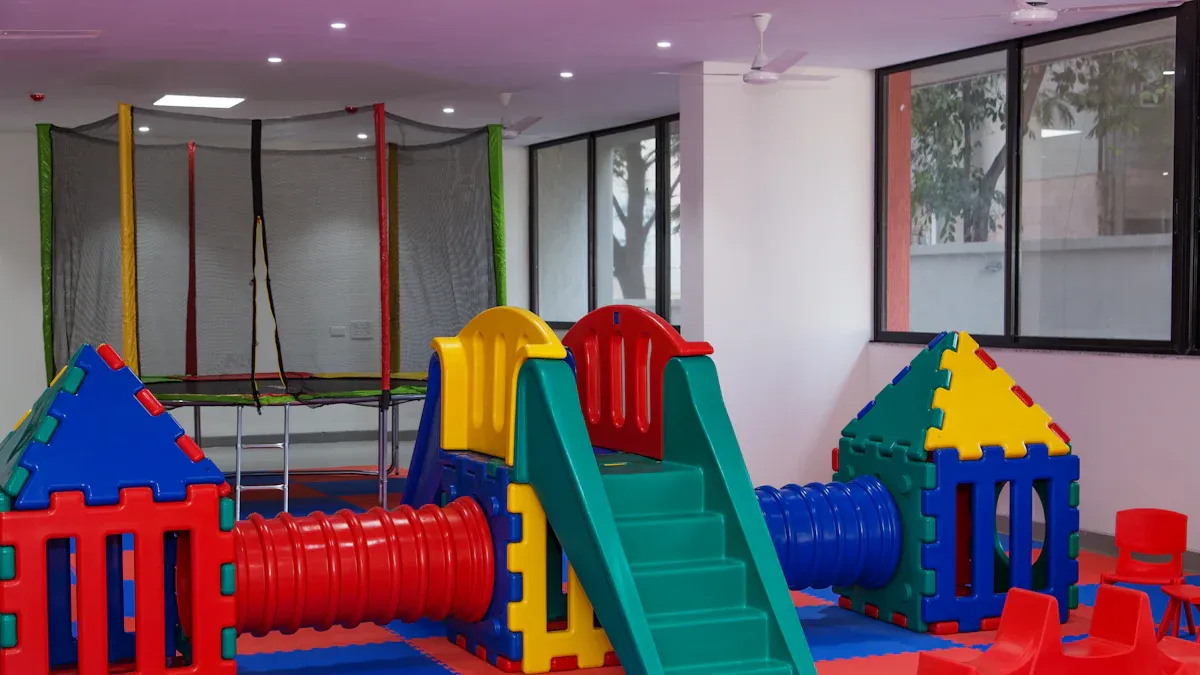
Sicherheit und Spaß
Sicherheit steht bei meinem Indoor-Spielplatz immer an erster Stelle. Ich möchte, dass Kinder Spaß haben, aber Sicherheit ist am wichtigsten. Ich befolge Regeln und überprüfe meine Ausrüstung oft. Hier ist, was mir hilft, die Dinge sicher zu halten:
Der CPSC legt Sicherheitsregeln fest für Spielplätze. Diese Regeln helfen, Kinder an öffentlichen Orten zu schützen.
Die American Society for Testing and Materials (ASTM) hat Regeln für Indoor-Spielplatzgeräte. ASTM F1918-22 beschreibt, wie Softplay-Ausstattung sicher gemacht wird. Sie deckt robuste Materialien, gute Konstruktion, weiche Polsterung und sichere Bereiche ab.
Die U.S. Consumer Product Safety Commission (CPSC) hat ein Handbuch für Spielplatzsicherheit verfasst. Es listet wichtige Sicherheitsschritte für Spielplätze in Schulen und öffentlichen Orten auf.
Indoor Playgrounds International stellt sicher Ihre Produkte entsprechen den Sicherheits- und Qualitätsvorschriften. Sie möchten, dass alle Spielplatznutzer sicher sind.
Ich stelle sicher, dass meine Indoor-Spielplatzgeräte diesen Regeln entsprechen. Ich achte auf stabile Teile, weiche Landungen und sichere Abstände zwischen den Spielbereichen. Ich schule meine Mitarbeiter darin, Probleme zu erkennen und schnell zu beheben. Wenn ich mich auf Sicherheit und Qualität konzentriere, vertrauen mir die Eltern. Die Kinder können bei jedem Besuch Spaß haben. 😊
Altersgerechte Ausstattung
Ich wähle Geräte aus, die dem Alter und den Fähigkeiten jedes Kindes entsprechen. Das sorgt dafür, dass alle sicher und glücklich sind. Ich richte verschiedene Zonen für Kleinkinder, Vorschulkinder und ältere Kinder ein. Hier ist, wie ich das mache:
- Spielplätze brauchen spezielle Bereiche für Kleinkinder, Vorschulkinder und ältere Kinder. Das stellt sicher, dass die Geräte für jedes Alter passend sind.
- Zum Beispiel nutzen Kleinkinder kleine Spielsets mit geringer Höhe. Ältere Kinder können anspruchsvollere Aktivitäten ausprobieren.
- Dieses Design hilft, das Risiko für alle Altersgruppen zu verringern.
Ich verwende helle Schilder und einfache Regeln in jedem Bereich. Eltern wissen, wo ihre Kinder spielen sollten. Ich füge auch neue Indoor-Spielplatzattraktionen hinzu, um den Spaß für jede Altersgruppe zu erhalten.
Theming und Branding
Ein starkes Thema hilft meinem Spielplatz, sich abzuheben. Ich wähle Farben, Charaktere und Geschichten, die die Fantasie anregen. Kinder erkunden gerne neue Welten. Eltern erinnern sich an einen lustigen und besonderen Ort. So baue ich meine Marke auf:
| Theming-Element | Was wir tun | Warum es wichtig ist |
|---|---|---|
| Farben & Wandmalereien | Gestalten Sie Wände mit hellen, freundlichen Szenen | Macht den Raum einladend |
| Maskottchen & Charaktere | Erstellen Sie lustige Maskottchen für Events und Fotos | Baut Markenbekanntheit auf |
| Storytelling | Fügen Sie Geschichten zu Spielzonen hinzu | Inspiriert kreatives Spielen |
| Saisonale Updates | Ändern Sie Dekorationen für Feiertage | Bindet Familien immer wieder |
Ich frage Familien, welche Themen sie sich als Nächstes wünschen. Ihre Ideen helfen mir, einen Spielplatz zu gestalten, der allen gefällt. Wenn ich Sicherheit, Alterszonen und kreative Themen kombiniere, wird mein Indoor-Spielplatz zu einem Ort, an den Kinder und Eltern immer wieder gerne zurückkehren. 🎉
Lieferantenauswahl
Wie wähle ich den richtigen Lieferanten für meinen Spielplatz aus?
Ich beginne immer damit, nach Lieferanten zu suchen, die Wert auf Sicherheit, Qualität und Service legen. Die Wahl des richtigen Partners macht mein Indoor-Spielplatzgeschäft stärker und sicherer.
Worauf achte ich bei einem Lieferanten?
Ich verwende diese Checkliste jedes Mal:
- ✅ Sicherheitszertifizierungen: Ich prüfe, ob der Lieferant die ASTM- und CPSC-Standards einhält.
- 🏆 Erfahrung: Ich wähle Unternehmen mit einer guten Erfolgsbilanz bei Indoor-Spielplatzgeräten.
- 🛠️ Individualisierung: Ich möchte Optionen für Farben, Themen und Größen.
- 🚚 Lieferung und Montage: Ich frage, ob sie Versand und Aufbau übernehmen.
- 💬 Kundenservice: Ich brauche schnelle Hilfe, wenn etwas kaputt geht oder ich Fragen habe.
- 💵 Garantie und Kundendienst: Ich suche nach starken Garantien und einfachen Reparaturen.
Warum ist der Standort des Lieferanten wichtig?
Ich bevorzuge lokale oder regionale Lieferanten, wenn möglich. Das hilft mir, schnelleren Service und niedrigere Versandkosten zu erhalten. Wenn ich aus der Ferne bestelle, prüfe ich Bewertungen und bitte um Referenzen.
Wie vergleiche ich Lieferanten?
Ich benutze eine einfache Tabelle, um den Überblick zu behalten:
| Lieferantenname — | Sicherheitszertifiziert — | Individuelle Optionen — | Lieferung/Installation — | Garantie — | Preis — |
|---|---|---|---|---|---|
| Lieferant A — | Ja — | Ja — | Ja — | 2 Jahre — | $$$ — |
| Lieferant B — | Ja — | Nein — | Ja — | 1 Jahr — | $$ — |
| Lieferant C — | Nein — | Ja — | Nein — | 1 Jahr — | $ — |
Tipp: Ich frage immer nach einem Muster oder besuche einen Spielplatz, der ihre Ausrüstung verwendet. So kann ich die Qualität aus nächster Nähe beurteilen.
Welche Fragen sollte ich vor dem Kauf stellen?
Diese Fragen überspringe ich nie:
- Können Sie Nachweise über Sicherheitstests vorlegen?
- Wie lange dauert die Lieferung?
- Wer installiert die Geräte?
- Was passiert, wenn etwas kaputt geht?
- Bieten Sie Schulungen für meine Mitarbeiter an?
Wie vermeide ich Probleme mit Lieferanten?
Ich lese Verträge sorgfältig. Ich prüfe auf versteckte Gebühren oder unklare Bedingungen. Ich bewahre alle E-Mails und Unterlagen auf. Wenn ich mir unsicher bin, frage ich andere Spielplatzbetreiber um Rat.
📝 Hinweis: Der richtige Lieferant hilft meinem Spielplatz, sicher, unterhaltsam und geöffnet zu bleiben. Ich nehme mir Zeit und überstürze diesen Schritt nie.
Zusammenfassend:
Die Wahl des besten Lieferanten für Indoor-Spielplatzgeräte hält mein Geschäft sicher und spannend. Ich achte jedes Mal auf Sicherheit, Service und Wert. Wenn ich den richtigen Partner wähle, vertrauen Familien meinem Spielplatz und kommen immer wieder. 😊
Rechtliches und Compliance
Genehmigungen und Lizenzen
Sie benötigen mehrere Genehmigungen und Lizenzen, bevor Sie Ihren Indoor-Spielplatz eröffnen. 📝
Ich prüfe immer die Regeln meiner Stadt und meines Bundesstaates. Jeder Ort hat seine eigene Liste von Anforderungen. Hier ist, worauf ich achte:
- Gewerbeanmeldung: Damit kann ich meinen Spielplatz ordnungsgemäß betreiben.
- Bebauungsplan: Ich stelle sicher, dass mein Standort Indoor-Spielplatzgeräte und -aktivitäten zulässt.
- Baugenehmigung: Diese erhalte ich, wenn ich das Gebäude verändere oder neue Spielbereiche hinzufüge.
- Gesundheits- und Sicherheitsgenehmigungen: Diese decken die Lebensmittelversorgung und die Sauberkeit ab.
- Brandschutzgenehmigung: Mein Spielplatz muss Brandschutzvorschriften und Sicherheitsregeln einhalten.
- Nutzungsgenehmigung: Dies zeigt, dass mein Bereich sicher für Familien ist.
Tipp: Ich kontaktiere mein Stadtbüro, bevor ich einen Mietvertrag unterschreibe. Wenn ich eine Genehmigung versäume, kann sich meine Eröffnung verzögern.
Versicherung
Versicherungen schützen mein Geschäft vor Unfällen und unerwarteten Ereignissen. 🛡️
Ich schließe immer eine Versicherung ab. Sie hilft, wenn etwas Schlimmes passiert. Hier ist eine Tabelle, die die von mir verwendeten Typen zeigt:
| Versicherungstyp — | Beschreibung — |
|---|---|
| Betriebshaftpflichtversicherung — | Deckt Ansprüche ab, wenn jemand verletzt wird oder etwas beschädigt wird. — |
| Sachversicherung — | Schützt mein Gebäude, meine Indoor-Spielplatzgeräte und Möbel. — |
| Arbeitsunfallversicherung — | Hilft Arbeitnehmern, wenn sie bei der Arbeit verletzt oder krank werden. — |
| Berufshaftpflichtversicherung — | Deckt Fehler oder Probleme mit meinen Dienstleistungen ab. — |
| Kfz-Versicherung für Gewerbe — | Benötigt, wenn ich Autos oder Lastwagen für mein Geschäft nutze. — |
Ich spreche mit einem Versicherungsmakler, der sich mit Spielplätzen auskennt. Die richtige Versicherung hilft mir, die Sicherheitsvorschriften einzuhalten und mein Geschäft am Laufen zu halten.
Gesundheit und Sicherheit
Gesundheits- und Sicherheitsregeln schützen Familien und schaffen Vertrauen. 👨👩👧👦
Ich befolge strenge Sicherheitsregeln für meinen Spielplatz. Ich überprüfe meine Indoor-Spielplatzgeräte regelmäßig und weise meine Mitarbeiter an, nach Problemen Ausschau zu halten. In Europa, BS EN 1176 legt Regeln für Design, Aufbau und Pflege fest. Diese Regeln helfen mir, alles sicher zu halten.
Hier ist eine Tabelle mit den wichtigsten Anforderungen:
| Anforderung — | Beschreibung — |
|---|---|
| Einhaltung von Sicherheitsanforderungen — | Jedes Ausrüstungsteil muss Sicherheitsvorschriften erfüllen. — |
| Hinweis notices — | Ich bringe Schilder mit Hinweisen zu Risiken in der Nähe von Spielbereichen an. — |
| Betreiberinformationen — | Ich zeige meinen Namen und meine Kontaktdaten für Familien an. — |
| Altersbereich — | Jeder Spielbereich zeigt das richtige Alter für die Nutzung an. — |
| Regelmäßige Wartung — | Ich befolge einen Plan zur Überprüfung und Reparatur von Geräten. — |
| Inspektionsdokumentation — | Ich führe Aufzeichnungen über alle Sicherheitsprüfungen. — |
Ich befolge auch diese wichtigen Regeln:
- EN 1176-1 deckt allgemeine Sicherheit und Prüfung ab.
- Die Normen EN 1176-2 bis EN 1176-11 legen Regeln für verschiedene Spielgeräte fest.
- BS EN 1177 erklärt, wie Spielplatzböden auf Stürze geprüft werden.
Ich aktualisiere meinen Sicherheitsplan ständig und schule mein Team. Familien vertrauen mir, wenn sie sehen, dass mir Sicherheit wichtig ist.
Zusammenfassend:
Die richtigen Genehmigungen und Versicherungen zu erhalten und Sicherheitsregeln zu befolgen, hilft mir, einen sicheren und erfolgreichen Spielplatz zu betreiben. Ich prüfe die Regeln oft und halte meinen Spielplatz für Familien bereit.
Personal und Betrieb
Personal einstellen
Bei der Einstellung für meinen Indoor-Spielplatz suche ich immer nach freundlichen, verantwortungsbewussten Personen. 😊
Mein Team muss Freude an der Arbeit mit Kindern haben. Sie müssen sich um die Sicherheit kümmern. Ich suche nach positiven und geduldigen Menschen. Gute Kommunikation ist wichtig. Ich möchte Personal mit Erfahrung im Umgang mit Kindern. Babysitten oder Unterrichten hilft. Ehrenamtliche Arbeit ist auch gut. Personal sollte ruhig bleiben, wenn es hektisch wird. Ich führe einfache Vorstellungsgespräche. Ich frage nach früheren Jobs und Problemlösungen. Ich frage, was sie tun würden, wenn ein Kind Hilfe bräuchte. Ich überprüfe Referenzen, um sicherzustellen, dass sie ehrlich sind.
Tipp: Ich stelle Leute ein, die gut mit anderen zusammenarbeiten. Ich möchte Personal, das gerne Neues lernt. Das sorgt dafür, dass mein Spielplatz jeden Tag gut läuft.
Schulung und Verfahren
Schulungen sind der Schlüssel zu einem sicheren und glücklichen Spielplatz. 🛡️
Jedes neue Teammitglied erhält vor Beginn eine umfassende Schulung. Ich bringe bei Sicherheitsregeln und Notfallmaßnahmen. Erste Hilfe ist Teil der Schulung. Ich zeige, wie man Familien begrüßt und Probleme löst. Die Mitarbeiter lernen, wie sie dafür sorgen, dass sich jeder willkommen fühlt. Ich erkläre, wie man mit Geld umgeht und alles sauber hält. Ich unterrichte die Überwachung der Spielgeräte. Die Mitarbeiter lernen, Kinder nach Alter zu beaufsichtigen. Ich gebe regelmäßige Schulungsaktualisierungen. Ich teile neue Branchennachrichten.
Ich biete spezielle Schulungen für mein Team an. Die Mitarbeiter lernen touristische Servicefähigkeiten. Sie sprechen mit Besuchern und lösen Probleme schnell. Ich unterrichte den Umgang und die Pflege von Spielgeräten. Teamwork ist wichtig. Ich zeige, wie man zusammenarbeitet und Konflikte löst. Ich helfe den Mitarbeitern ihre beruflichen Ziele zu setzen. Ich möchte, dass jeder neue Dinge lernt. Ich bitte um Feedback und nutze es zur Verbesserung.
Hinweis: Jeder lernt Notfallmaßnahmen wie Evakuierung und Feueralarmübungen. Alle Mitarbeiter müssen Erste-Hilfe- und HLW-Schulungen.
Betriebsabläufe
Klare Abläufe halten meinen Spielplatz sicher und organisiert. 📝
Ich verwende eine Checkliste für tägliche Aufgaben. Das hilft meinem Team, sich an das zu erinnern, was zu tun ist. Es zeigt an, wann jede Aufgabe erledigt werden muss.
| Aufgabe | Wie oft | Wer ist zuständig |
|---|---|---|
| Sicherheitskontrollen | Jeden Morgen | Alle Mitarbeiter |
| Reinigung | Den ganzen Tag | Rotierende Mitarbeiter |
| Geräteprüfungen | Zweimal täglich | Aufsichtsperson |
| Kassenführung | Schichtende | Manager |
| Kundenfeedback | Laufend | Alle Mitarbeiter |
Ich befestige Regeln für Personal und Familien an gut sichtbaren Stellen. Ich halte kurze Besprechungen ab, um zu besprechen, was gut lief. Wir diskutieren, was verbessert werden kann. Ich höre mir die Ideen meines Teams an. Ich nehme bei Bedarf Änderungen vor.
Tipp: Ich halte alle Abläufe einfach und verständlich. Das hilft neuen Mitarbeitern, schnell zu lernen. So läuft mein Spielplatz reibungslos.
Marketing für Ihr Indoor-Spielplatz-Geschäft
Aufbau Ihrer Marke
A Eine starke Marke bleibt Familien in Erinnerung meinem Spielplatz. Ich konzentriere mich darauf, eine Geschichte zu erzählen, die sich sowohl für Kinder als auch für Eltern lustig und sicher anfühlt. Ich verwende leuchtende Farben, freundliche Maskottchen und einen eingängigen Namen. Mein Logo erscheint überall – auf Schildern, Mitarbeiter-T-Shirts und in sozialen Medien. Ich möchte, dass Eltern mir vertrauen und Kinder begeistert sind, wenn sie meine Marke sehen.
🏆 Tipp: Ich erzähle meine Spielplatz-Geschichte immer online. Ich spreche darüber, warum ich angefangen habe und was meinen Ort besonders macht. Das hilft Familien, sich verbunden zu fühlen.
Marketingtechniken
Kostengünstiges Marketing bringt mehr Familien auf meinen Spielplatz. Ich nutze einfache Werkzeuge, die gut funktionieren und nicht viel kosten. Hier sind meine bevorzugten Wege, um neue Kunden zu erreichen:
- 📱 Engagement in sozialen Medien: Ich poste Fotos und Videos von glücklichen Kindern beim Spielen. Ich veranstalte Wettbewerbe auf Facebook und Instagram, um Familien einzubinden.
- ✉️ E-Mail-Marketing: Ich sammle E-Mails von Besuchern. Ich versende Newsletter mit Sonderangeboten und Neuigkeiten zu neuen Aktivitäten.
- 🌐 SEO: Ich stelle sicher, dass meine Website erscheint, wenn Leute nach Indoor-Spielplätzen in meiner Stadt suchen. Ich verwende Schlüsselwörter wie “Indoor-Spielplatz in meiner Nähe” und “Kindergeburtstage”.”
- 🎉 Themen-Events: Ich veranstalte spezielle Tage wie Superhelden-Partys oder Feiertagsfeiern. Familien lieben es, diese Momente online zu teilen.
- 🤝 Gemeinschaftspartnerschaften: Ich arbeite mit lokalen Schulen und Unternehmen zusammen. Wir planen gemeinsam Veranstaltungen und helfen uns gegenseitig beim Wachstum.
- 🗣️ Empfehlungsprogramme: Ich belohne Familien, die ihre Freunde mitbringen. Mundpropaganda ist wirkungsvoll und bringt neue Besucher.
Hier ist eine kurze Übersicht meiner wichtigsten Marketinginstrumente:
| Werkzeug | Warum ich es benutze 😃 |
|---|---|
| Soziale Medien | Baut eine lustige, aktive Community auf |
| E-Mail-Newsletter | Hält Familien auf dem Laufenden |
| SEO | Zieht neue Besucher online an |
| Veranstaltungen & Partys | Schafft Aufsehen und Begeisterung |
| Partnerschaften | Erweitert meine Reichweite in der Gemeinde |
| Empfehlungsprogramm | Fördert Mundpropaganda |
😊 Hinweis: Ich frage Familien immer, wie sie von uns erfahren haben. Das hilft mir zu sehen, welche Marketingideen am besten funktionieren.
Vor dem Start und zur Eröffnung
Ein großartiger Start legt den Grundstein für meinen Spielplatz. Bevor ich eröffne, baue ich Begeisterung in meiner Community auf. Ich teile Sneak Peeks in den sozialen Medien und lade lokale Familien ein, den Ort zu besichtigen. Ich versende E-Mails mit Sonderangeboten für die erste Woche.
Hier ist meine einfache Checkliste für die Vorabnahme:
- Posten Sie Fotos und Videos von den Kulissen online.
- Arbeiten Sie mit lokalen Unternehmen für Verlosungen zusammen.
- Bieten Sie Frühbucherrabatte für Familien an, die sich vor dem Eröffnungstag anmelden.
- Laden Sie lokale Nachrichten und Blogger zu einem Besuch ein.
- Planen Sie eine unterhaltsame Eröffnungsfeier mit Spielen, Musik und Preisen.
🎈 Tipp: Ich gestalte die Eröffnung zu einem großen Fest. Ich möchte, dass jede Familie mit einem Lächeln geht und ihren Freunden von meinem Spielplatz erzählt.
Zusammenfassend:
Der Aufbau einer starken Marke, intelligentes Marketing und die Planung einer unterhaltsamen Eröffnung helfen meinem Indoor-Spielplatzgeschäft zu wachsen. Ich konzentriere mich darauf, was Familien lieben, und halte mein Marketing einfach, freundlich und unterhaltsam. 🚀
Startbudget und Finanzen
Anfangskosten
Wie viel kostet es, einen Indoor-Spielplatz zu eröffnen?
Die Eröffnung eines Indoor-Spielplatzes erfordert eine große Investition. Ich habe gelernt, dass die Kosten je nach Standort, Größe und Angebot stark variieren können. In einer Großstadt habe ich festgestellt, dass die gesamten Gründungskosten normalerweise zwischen 350.000 € und über 1.000.000 € liegen. Diese Zahl hat mich anfangs überrascht! Hier ist eine Tabelle, die mir geholfen hat, die Hauptkosten aufzuschlüsseln:
| Kostenbestandteil | Geschätzter Bereich |
|---|---|
| Miete oder Pacht | 269.100 € pro Jahr |
| Geräte und Installation | 150.000 € bis 500.000 € oder mehr |
| Sicherheitsböden | 30.000 € bis 100.000 € oder mehr |
| Arbeitskosten | 100.000 € bis 200.000 € oder mehr |
| Versicherungs- und Rechtsgebühren | 10.000 € bis 30.000 € oder mehr |
| Marketing und Werbung | 10.000 € bis 50.000 € oder mehr |
| Geschätzte Gesamtkosten | 350.000 € bis über 1 Million € |
🏗️ Tipp: Ich plane immer zusätzliche Kosten ein. Unerwartetes passiert, wie Reparaturen oder neue Vorschriften der Stadt.
Was sind die größten Ausgaben?
Miete oder Pacht sind normalerweise die größten Kosten. Danach folgen Geräte und Installation. Ich gebe auch viel für Sicherheitsböden und Arbeitskräfte aus. Versicherungen, Rechtsgebühren und Marketing summieren sich schnell. Ich stelle sicher, dass jedes Detail in meinem Budget enthalten ist.
Wie halte ich die Kosten im Griff?
Ich vergleiche die Preise verschiedener Anbieter. Ich suche nach gebrauchten Geräten in gutem Zustand. Ich frage andere Betreiber nach versteckten Kosten. Außerdem lege ich Geld für Notfälle zurück.
Warum sind die Kenntnis der Startkosten wichtig?
Wenn ich meine Kosten kenne, kann ich die richtigen Preise festlegen und die Einnahmen planen. Das hilft mir, meinen Break-even-Punkt schneller zu erreichen. Ich fühle mich auch sicherer, wenn ich mit Banken oder Investoren spreche.
Was sollte ich tun, bevor ich Geld ausgebe?
Ich schreibe jede Kostenposition in eine Tabelle. Ich überprüfe meine Zahlen zweimal. Ich spreche mit Experten, wenn ich mir unsicher bin. Sorgfältige Planung hilft mir, Fehler zu vermeiden und mein Geschäft auf Kurs zu halten.
💡 Hinweis: Ich denke immer daran, dass jeder Euro, den ich am Anfang ausgebe, meine späteren Einnahmen beeinflusst. Kluge Ausgaben jetzt bedeuten mehr Gewinn in der Zukunft.
Einnahmequellen
Kostenplanung
Break-Even-Punkt
Was ist der Break-even-Punkt?
Der Break-even-Punkt ist erreicht, wenn mein Indoor-Spielplatz genug Geld einbringt, um alle meine Kosten zu decken. An diesem Punkt verliere ich kein Geld, mache aber noch keinen Gewinn. Ich möchte diese Zahl immer kennen, bevor ich meine Türen öffne. Sie hilft mir, Ziele zu setzen und meinen Fortschritt zu verfolgen. 🏁
Warum ist der Break-even-Punkt wichtig?
Die Kenntnis meines Break-even-Punktes hält mich fokussiert. Ich kann sehen, wie viele Besucher ich jeden Monat brauche. Ich kann auch frühzeitig Probleme erkennen, wenn ich meine Ziele nicht erreiche. Das hilft mir, schnell Änderungen vorzunehmen.
Wie berechne ich meinen Break-even-Punkt?
Ich verwende eine einfache Formel. Zuerst addiere ich alle meine Fixkosten. Dazu gehören Miete, Versicherungen und Gehälter. Als Nächstes ermittle ich meine variablen Kosten. Diese ändern sich je nach Besucherzahl, wie z. B. Snacks oder Reinigungsmittel. Dann sehe ich, wie viel Geld ich pro Kunde einnehme.
Hier ist eine Tabelle, die zeigt, was ich verwende:
| Kostenart | Beispiele | Monatlicher Betrag (€) |
|---|---|---|
| Fixkosten | Miete, Versicherung, Gehälter | 25,000 |
| Variable Kosten | Snacks, Reinigung, Verbrauchsmaterialien | 5,000 |
| Durchschnittlicher Umsatz pro Kunde | Eintrittsgelder, Partys, Verpflegung | 20 |
Break-Even-Formel:
Break-Even-Punkt (Anzahl der Kunden) = Fixkosten / (Durchschnittlicher Umsatz pro Kunde - Variable Kosten pro Kunde)
Lassen Sie mich Ihnen ein Beispiel zeigen:
- Fixkosten: $25.000 pro Monat
- Variable Kosten pro Kunde: $5
- Durchschnittlicher Umsatz pro Kunde: $20
Also,
Break-Even-Punkt = $25.000 / ($20 - $5) = 1.667 Kunden pro Monat
Was bedeutet das für mich?
Ich benötige mindestens 1.667 zahlende Kunden pro Monat, um meine Kosten zu decken. Wenn ich mehr habe, beginne ich Gewinn zu machen. Wenn ich weniger habe, muss ich nach Wegen suchen, Kosten zu senken oder mehr Familien anzuziehen.
Tipps, um meinen Break-Even-Punkt schneller zu erreichen:
- Geburtstagspaket-Angebote 🎉
- Ein Mitgliedschaftsprogramm starten
- Sonderveranstaltungen oder Aktionen durchführen
- Meine Ausgaben genau beobachten
- Meine Zahlen jede Woche verfolgen
Hinweis: Ich überprüfe meinen Break-Even-Punkt alle paar Monate. Kosten und Preise können sich ändern, daher aktualisiere ich meine Zahlen oft.
Zusammenfassend:
Mein Break-even-Point zeigt mir, wann mein Indoor-Spielplatz anfängt, Geld zu verdienen. Ich nutze diese Zahl, um Ziele zu setzen, mein Marketing zu planen und mein Geschäft gesund zu halten. Dieses Wissen gibt mir Selbstvertrauen und bereitet mich auf den Erfolg vor! 🚀
Laufendes Management
Tägliche Abläufe
Ich halte meinen Indoor-Spielplatz durch einen täglichen Ablauf reibungslos am Laufen. 🕒
Jeden Morgen gehe ich durch den Spielplatz und prüfe, ob alles sauber und bereit aussieht. Ich begrüße mein Team und erinnere es an unsere Ziele für den Tag. Ich öffne pünktlich die Türen und heiße Familien mit einem Lächeln willkommen.
Hier ist meine tägliche Checkliste:
- Alle Türen aufschließen und Lichter einschalten
- Spielbereiche auf Gefahren inspizieren
- Snacks und Vorräte auffüllen
- Geburtstagspartyräume bei Bedarf vorbereiten
- Den Zeitplan für Sonderveranstaltungen überprüfen
- Mitarbeiter verschiedenen Zonen zuweisen
Ich stelle fest, dass eine klare Routine meinem Team hilft, konzentriert zu bleiben und die Familien glücklich zu machen. Wenn jeder seine Aufgabe kennt, läuft der Tag für alle besser.
Sicherheit und Wartung
Ich mache Sicherheit jeden Tag zu meiner obersten Priorität. 🛡️
Ich überprüfe alle Geräte, bevor die Kinder ankommen. Wenn ich etwas kaputt oder locker sehe, repariere ich es sofort. Ich führe ein Wartungsprotokoll, damit ich weiß, was Aufmerksamkeit braucht.
Hier ist eine einfache Tabelle, die ich zur Nachverfolgung der Wartung verwende:
| Aufgabe | Wie oft | Wer prüft |
|---|---|---|
| Geräteinspektion | Jeden Morgen | Aufsichtsperson |
| Saubere Spielflächen | Stündlich | Personal im Dienst |
| Notausgänge | Täglich | Manager |
| Erste-Hilfe-Material | Wöchentlich | Sicherheitsbeauftragter |
Ich schule mein Team auch darin, Probleme zu erkennen und schnell zu melden. Bei jedem Mitarbeitertreffen besprechen wir Sicherheitsregeln. Wenn sich ein Kind verletzt, befolge ich meinen Notfallplan und rufe sofort die Eltern an.
🛠️ Tipp: Ich halte immer zusätzliches Werkzeug und Reinigungsmittel bereit. Schnelle Reparaturen helfen mir, spätere größere Probleme zu vermeiden.
Kundenfeedback
Ich höre auf die Familien, damit ich meinen Spielplatz verbessern kann. 🗣️
Nach jedem Besuch frage ich die Eltern, was ihnen gefallen hat und was ich verbessern kann. Ich nutze eine Vorschlagsbox am Empfang und versende kurze Umfragen per E-Mail.
Wege, wie ich Feedback sammle:
- Persönliche Gespräche mit Eltern
- Online-Bewertungen und Kommentare in sozialen Medien
- Kurze Umfragen beim Bezahlen
- Vorschlagsbox in der Nähe des Ausgangs
Ich lese jeden Kommentar und teile gute Ideen mit meinem Team. Wenn ich denselben Vorschlag mehrmals sehe, plane ich, ihn umzusetzen. Zufriedene Familien kommen wieder und erzählen ihren Freunden von meinem Spielplatz.
😊 Hinweis: Ich danke den Familien für ihr Feedback. Ihre Ideen helfen mir, mein Geschäft auszubauen und alle sicher und glücklich zu halten.
Aktionsschritte für den Start eines Indoor-Spielplatzes
Wie man einen Indoor-Spielplatz startet
Der erste Schritt ist die Erstellung eines klaren Plans. 📝
Wenn ich darüber nachdenke, wie man einen Indoor-Spielplatz startet, beginne ich immer mit der Recherche. Ich schaue, was Familien in meiner Gegend wollen. Ich besuche andere Spielplätze und sehe, was sie gut besucht macht. Ich schreibe meine Ideen auf und lege ein Budget fest.
Hier sind die wichtigsten Schritte, denen ich folge:
- Marktforschung betreiben – Ich spreche mit Eltern und besuche andere Spielplätze.
- Standort wählen – Ich wähle einen Ort, der für Familien leicht zu finden ist.
- Geschäftsplan erstellen – Ich liste meine Ziele, Kosten und Einnahmequellen auf.
- Genehmigungen und Versicherungen einholen – Ich stelle sicher, dass ich alle lokalen Vorschriften einhalte.
- Gestaltung des Spielplatzes – Ich wähle sichere, unterhaltsame Geräte für alle Altersgruppen aus.
- Personal einstellen und schulen – Ich suche freundliche Leute, die Kinder lieben.
- Vermarktung meines Spielplatzes – Ich nutze soziale Medien und lokale Veranstaltungen, um die Bekanntheit zu steigern.
Tipp: Ich hole mir immer Rat von anderen Betreibern, bevor ich einen Indoor-Spielplatz eröffne. Ihre Tipps helfen mir, Fehler zu vermeiden.
Zeitplan und Meilensteine
Ein Zeitplan hält mich auf Kurs und hilft mir, meine Ziele zu erreichen. ⏰
Ich teile den Prozess der Eröffnung eines Indoor-Spielplatzes in kleinere Schritte auf. Das macht alles weniger überwältigend.
| Schritt | Benötigte Zeit | Meilenstein-Emoji |
|---|---|---|
| Marktforschung | 1 Monat | 🔍 |
| Standort finden | 1-2 Monate | 📍 |
| Genehmigungen & Versicherung einholen | 1 Monat | 📝 |
| Ausrüstung bestellen | 2-3 Monate | 🛝 |
| Personal einstellen und schulen | 1 Monat | 👩👧👦 |
| Marketing & Vorab-Launch | 1 Monat | 📢 |
| Große Eröffnung | 1 Tag | 🎉 |
Hinweis: Ich hake jeden Meilenstein ab, sobald ich ihn abgeschlossen habe. Das hilft mir, meinen Fortschritt beim Start eines Indoor-Spielplatzes zu sehen.
Überprüfung Ihres Plans
Die Überprüfung meines Plans hilft mir, Fehler zu erkennen, bevor ich eröffne. 🔎
Ich lese meinen Geschäftsplan und mein Budget durch. Ich bitte einen Freund oder Mentor, ihn zu überprüfen. Ich überprüfe meine Sicherheitsregeln und die Mitarbeiterschulung. Ich stelle sicher, dass mein Marketingplan bereit ist.
Meine Checkliste zur Überprüfung:
- Sind alle Genehmigungen und Versicherungen vorhanden?
- Ist mein Budget realistisch?
- Habe ich für umsatzschwache Monate geplant?
- Sind meine Mitarbeiter geschult und bereit?
- Erfüllt mein Spielplatz alle Sicherheitsvorschriften?
- Ist mein Marketingplan klar?
Tipp: Ich aktualisiere meinen Plan oft. Wenn ich etwas Neues über die Eröffnung eines Indoor-Spielplatzes lerne, füge ich es meiner Checkliste hinzu.
Zusammenfassend:
Die Eröffnung eines Indoor-Spielplatzes erfordert Planung, Geduld und Handeln. Ich befolge diese Schritte, nutze einen Zeitplan und überprüfe meinen Plan, um mich auf Erfolgskurs zu bringen. 🎯
Ein detaillierter Geschäftsplan für Indoor-Spielplätze hilft Ihnen, langfristig erfolgreich zu sein. Ich nutze jeden Schritt als Checkliste für mein Indoor-Spielplatz-Geschäft. Wenn Sie nicht wissen, wo Sie anfangen sollen, versuchen Sie es mit Marktforschung oder formulieren Sie zuerst Ihre Mission. Sorgfältige Planung macht Ihr Indoor-Spielplatz-Geschäft sicherer und hilft Ihnen, mehr Geld zu verdienen. 😊
- Beginnen Sie mit Recherche oder einem Leitbild
- Befolgen Sie Ihren Plan jeden Tag
- Überprüfen und ändern Sie Ihren Plan oft
Planung bringt jetzt mehr Lächeln in die Zukunft!
FAQ
Wie viel Platz benötige ich für einen Indoor-Spielplatz?
Ich benötige normalerweise mindestens 200 bis 500 Quadratmeter. 🏠
Ich prüfe, wie viele Kinder ich erwarte. Ich gebe jedem Kind etwa 3,25 Quadratmeter. Mehr Platz bedeutet mehr Spielbereiche und glückliche Familien.
Welche Versicherung benötige ich für meinen Spielplatz?
Ich schließe immer eine allgemeine Haftpflicht-, Sach- und Arbeitsunfallversicherung ab. 🛡️
Hier ist eine kurze Tabelle:
| Versicherungsart | Warum ich es brauche |
|---|---|
| Allgemeine Haftpflicht | Deckt Verletzungen |
| Eigenschaft | Schützt die Ausrüstung |
| Arbeitsunfallversicherung | Hilft verletzten Mitarbeitern |
Wie halte ich meinen Spielplatz sicher?
Ich überprüfe täglich die Ausrüstung, schule meine Mitarbeiter und befolge die Sicherheitsregeln. 🧑🔧
Ich verwende eine Checkliste:
- Alle Spielbereiche inspizieren
- Oberflächen regelmäßig reinigen
- Klare Sicherheitsschilder anbringen
Kann ich mit einem Indoor-Spielplatz Geld verdienen?
Ja, ich kann Geld verdienen, wenn ich gut plane und meine Kosten im Auge behalte. 💵
Ich biete Partys, Mitgliedschaften und Snacks an. Ich halte meine Ausgaben niedrig und höre auf die Wünsche der Familien.
Welche Altersgruppen können auf meinem Indoor-Spielplatz spielen?
Die meisten Spielplätze sind für Kinder von 1 bis 10 Jahren geeignet. 👶🧒
Ich richte verschiedene Zonen für Kleinkinder, Vorschulkinder und ältere Kinder ein. So sind alle sicher und glücklich.
Wie ziehe ich mehr Familien an?
Ich nutze soziale Medien, veranstalte Events und biete Sonderangebote an. 📢
Ich poste Fotos online, veranstalte Wettbewerbe und arbeite mit lokalen Schulen zusammen. Zufriedene Familien erzählen ihren Freunden von meinem Spielplatz.
Welche Genehmigungen benötige ich für die Eröffnung?
Ich benötige eine Gewerbelizenz, eine Baugenehmigung und Gesundheits- und Sicherheitsgenehmigungen. 📝
Ich erkundige mich immer bei meiner Stadt, bevor ich beginne. Das Fehlen einer Genehmigung kann meine Eröffnung verzögern.